
Taipei, Taiwan: A Complete City Guide
Taipei doesn't always get the credit it deserves. Overshadowed in the popular imagination by Tokyo and Seoul, it tends to fly under the radar for first-time visitors to East Asia — and that, frankly, is their loss. Taiwan's capital is a city of genuine depth and character: a fascinating blend of Chinese, Japanese, and distinctly Taiwanese cultural influences layered over a dynamic modern metropolis. The food alone would justify the trip. But Taipei rewards the curious traveler well beyond the dinner table. Every time I visit, I inevitably leave wishing I'd stayed longer.
Where to stay in Taipei:
Taipei is a well-connected city with good accommodation options across most neighborhoods, and the MRT makes it easy to get around from almost anywhere. That said, where you base yourself will shape the character of your trip.
Zhongzheng and Zhongshan— the central districts around Taipei Main Station are the most practical choice for first-time visitors. You'll have direct MRT access to the airport, easy connections to every part of the city, and proximity to major attractions. The area is busy and commercial rather than atmospheric, but the convenience is hard to argue with.
Da'an is personally one of my favorite districts. Quieter and more residential than the center, it has excellent cafes and restaurants, tree-lined streets, and a quality of everyday life that makes it a pleasure to use as a base. It's also well-connected by MRT and within easy reach of Elephant Mountain and the Xinyi shopping district.
Xinyi is Taipei's most upscale and modern district — home to Taipei 101, high-end hotels, and a concentration of shopping malls and restaurants. If you want to be in the thick of the city's most contemporary face, this is the neighborhood. It can feel slightly sterile compared to other parts of the city, but the location is excellent and the hotel options are among the best in Taipei.
Ximending is a lively, youth-oriented entertainment district popular with younger travelers — neon signs, street performers, cheap eats, and a dynamic energy. It's fun and affordable, if somewhat hectic.
No matter where you end up staying, the MRT will get you where you need to go.
Things to do in Taipei:
Longshan Temple
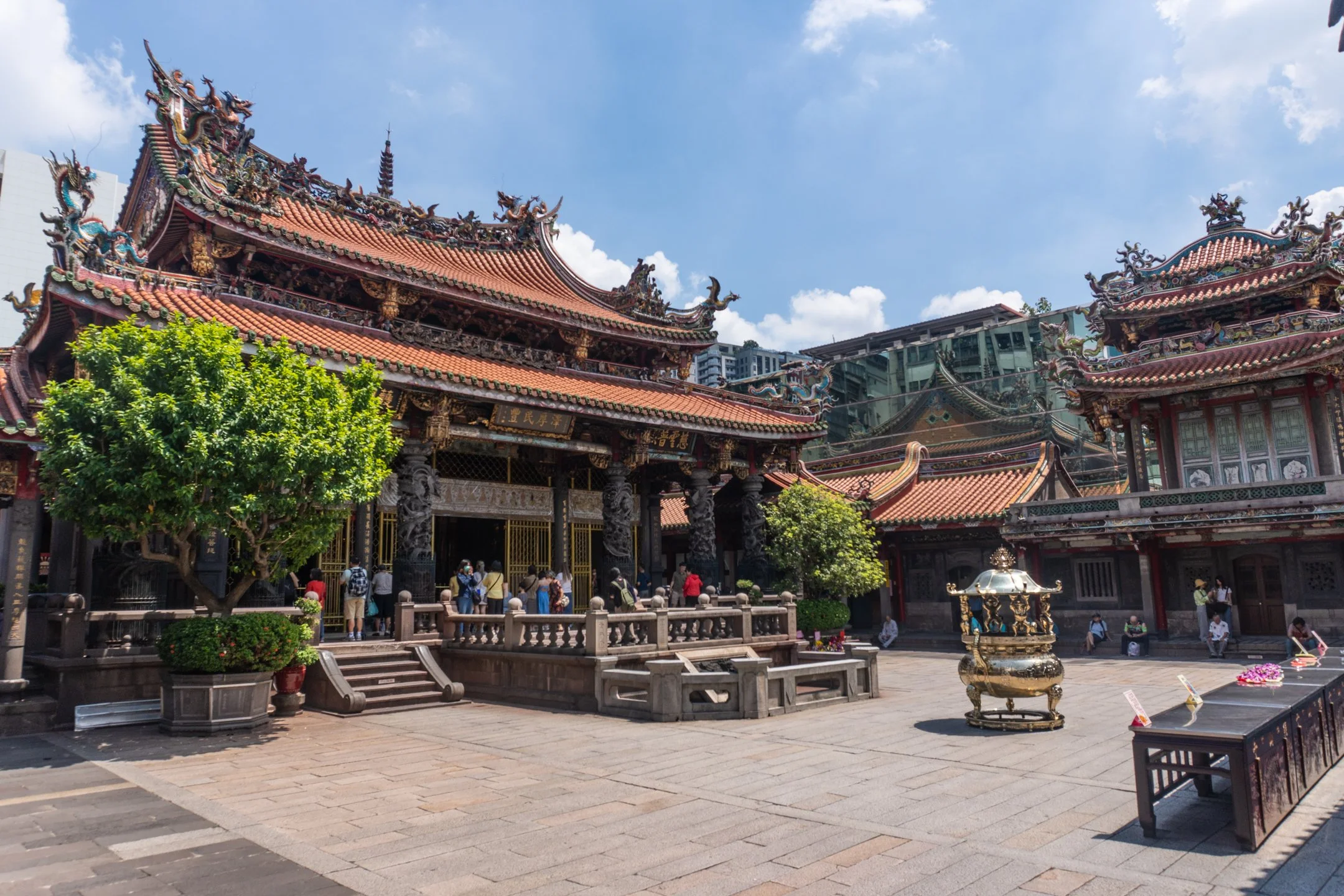
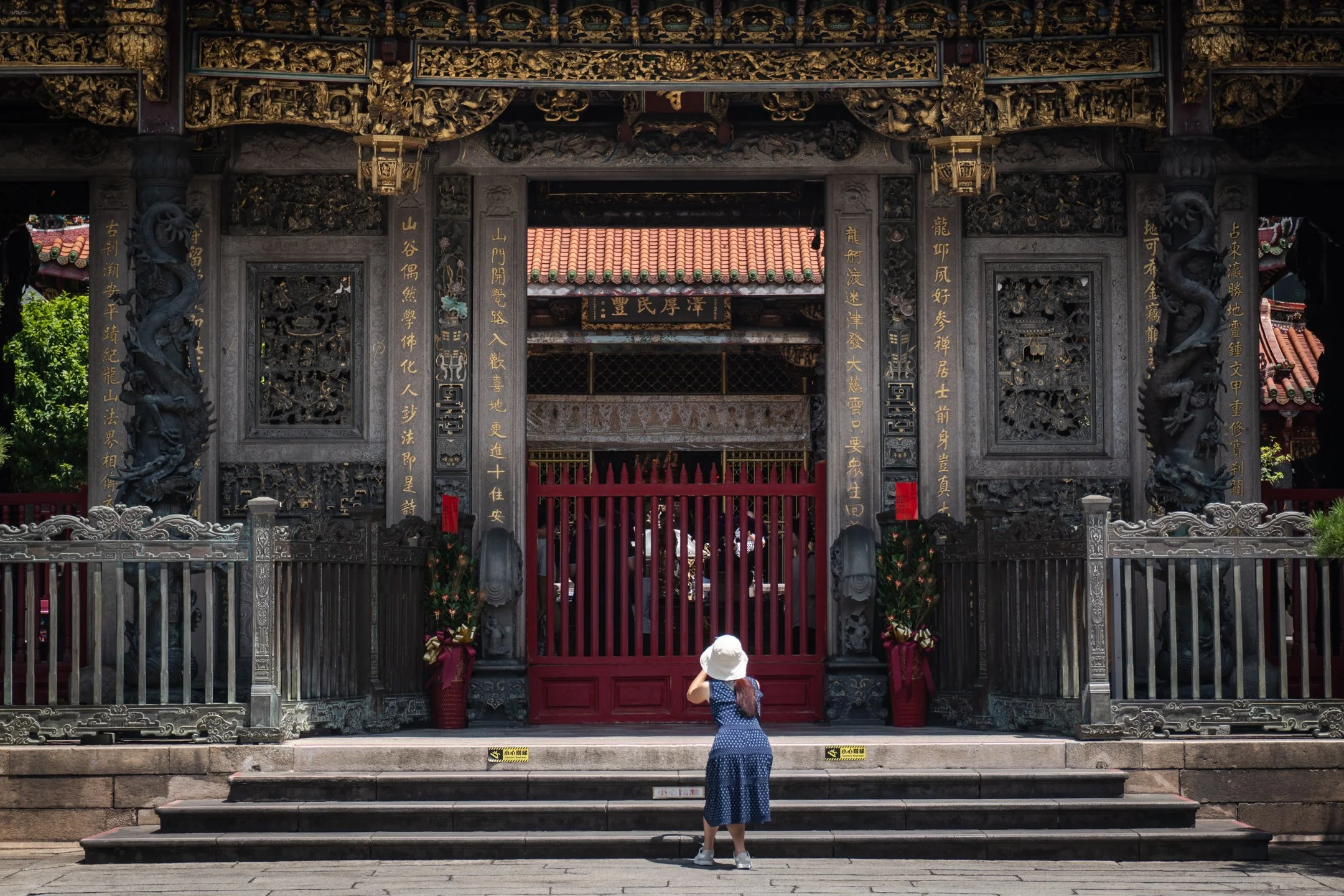
Built in 1738 and one of the oldest and most revered temples in Taiwan, Longshan is an extraordinary place — ornate, atmospheric, and genuinely alive with religious activity. This is not a museum piece. Worshippers come here daily to pray, burn incense, and consult oracle blocks on matters ranging from health to romance to business. The architecture is extraordinary — intricately carved dragons, gilded altars, and a courtyard that fills with fragrant smoke at almost any hour of the day. Visit in the early morning or late evening for the best atmosphere.
Xingtian Temple
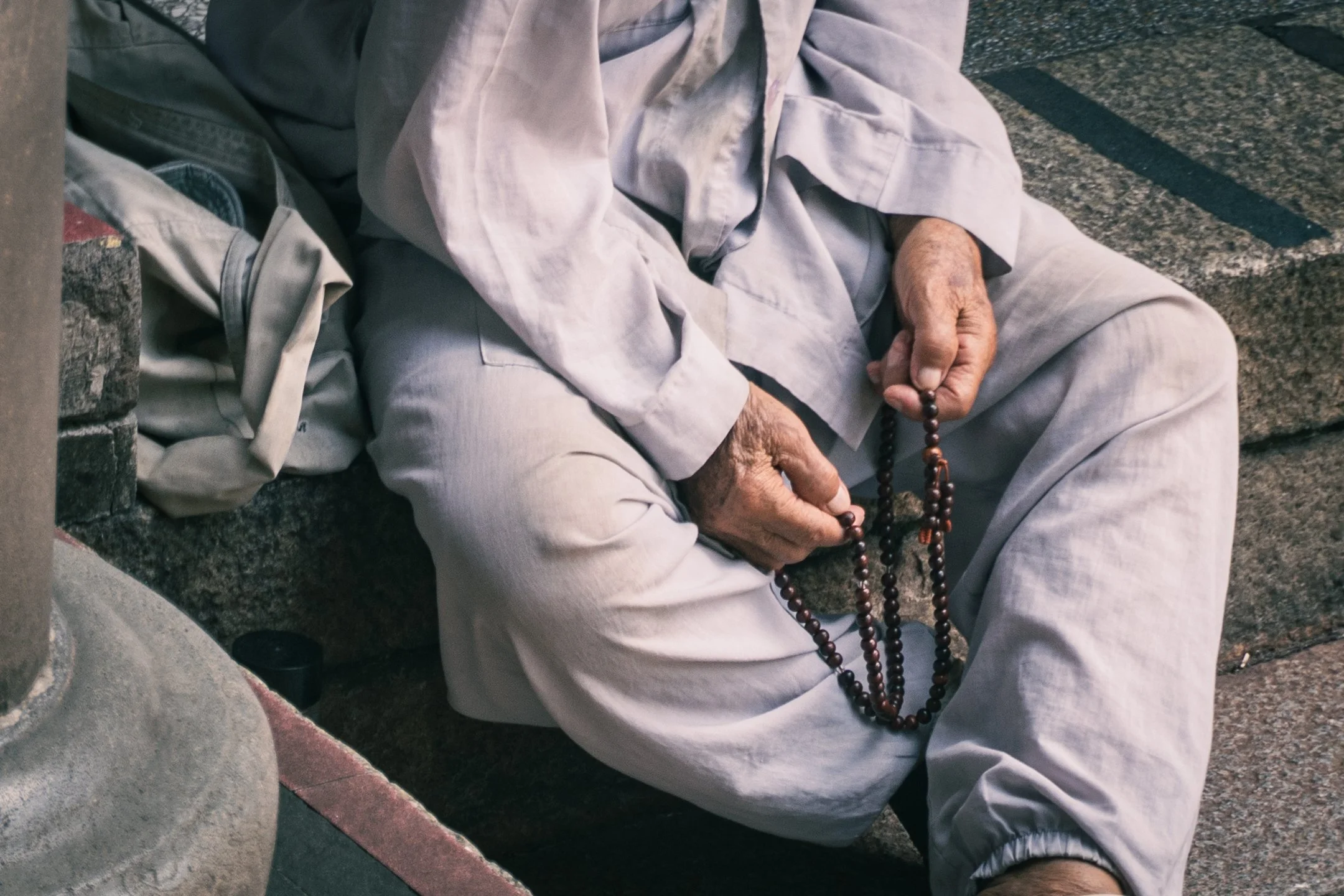
If Longshan feels a little too overcrowded and touristy for your taste, consider Xingtian as an alternative. Xingtian Temple is one of Taipei's most visited and most genuinely alive temples — and unlike some of the city's more famous religious sites, it draws overwhelmingly local rather than tourist crowds. Dedicated to Guan Yu, the deified god of war and brotherhood who is also widely venerated as a patron of business and commerce, the temple is particularly popular among Taipei's entrepreneurial class, who come to pray for prosperity and good fortune. The atmosphere is thick with incense smoke and quiet devotion, and the rituals on display — including the practice of "unwinding bad luck" performed by volunteer temple assistants — offer a fascinating window into the living religious culture of contemporary Taiwan. It's not as architecturally spectacular as Longshan Temple, but in terms of authentic, unperformed religious life, it may be the most interesting temple in the city.
Dihua Street
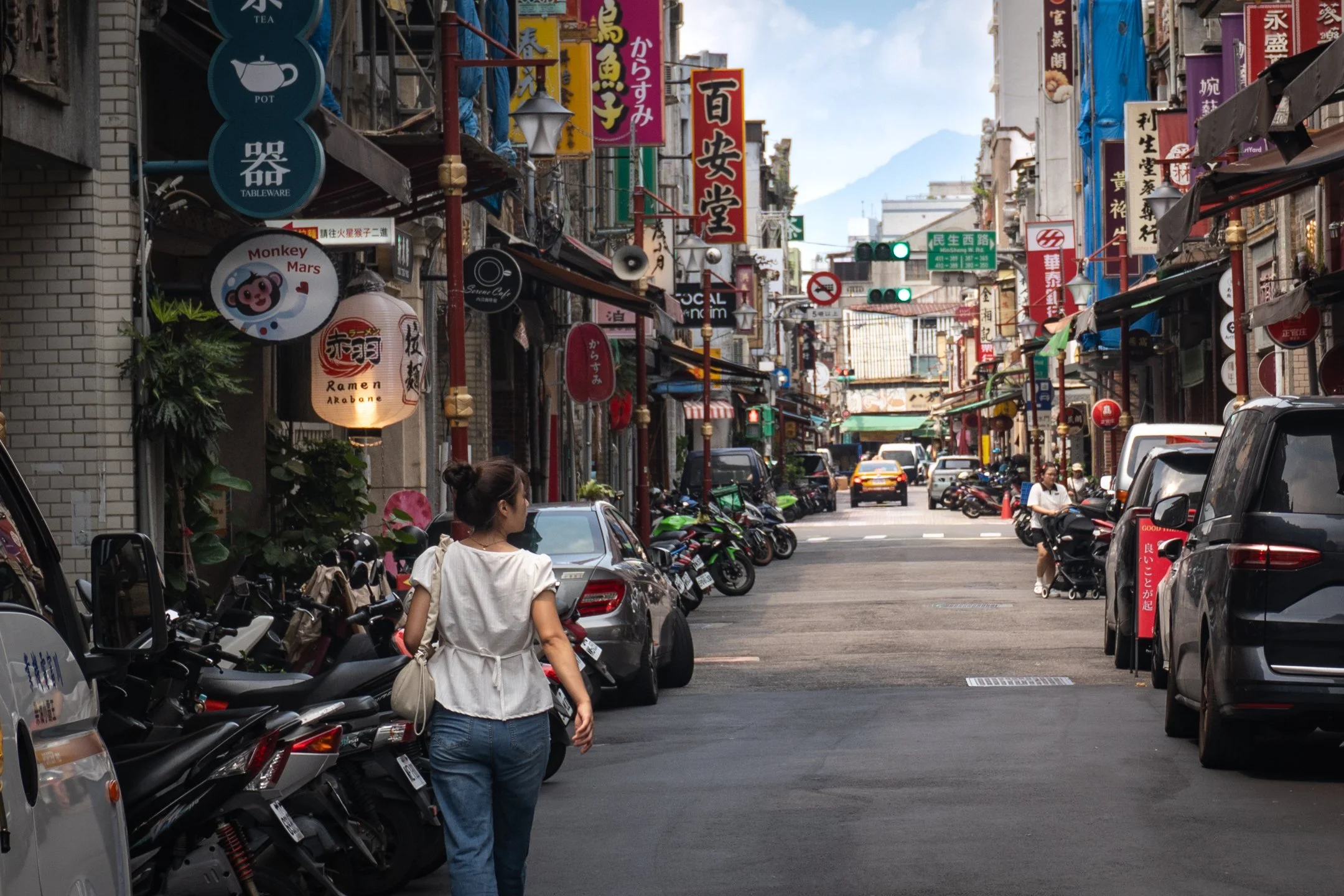
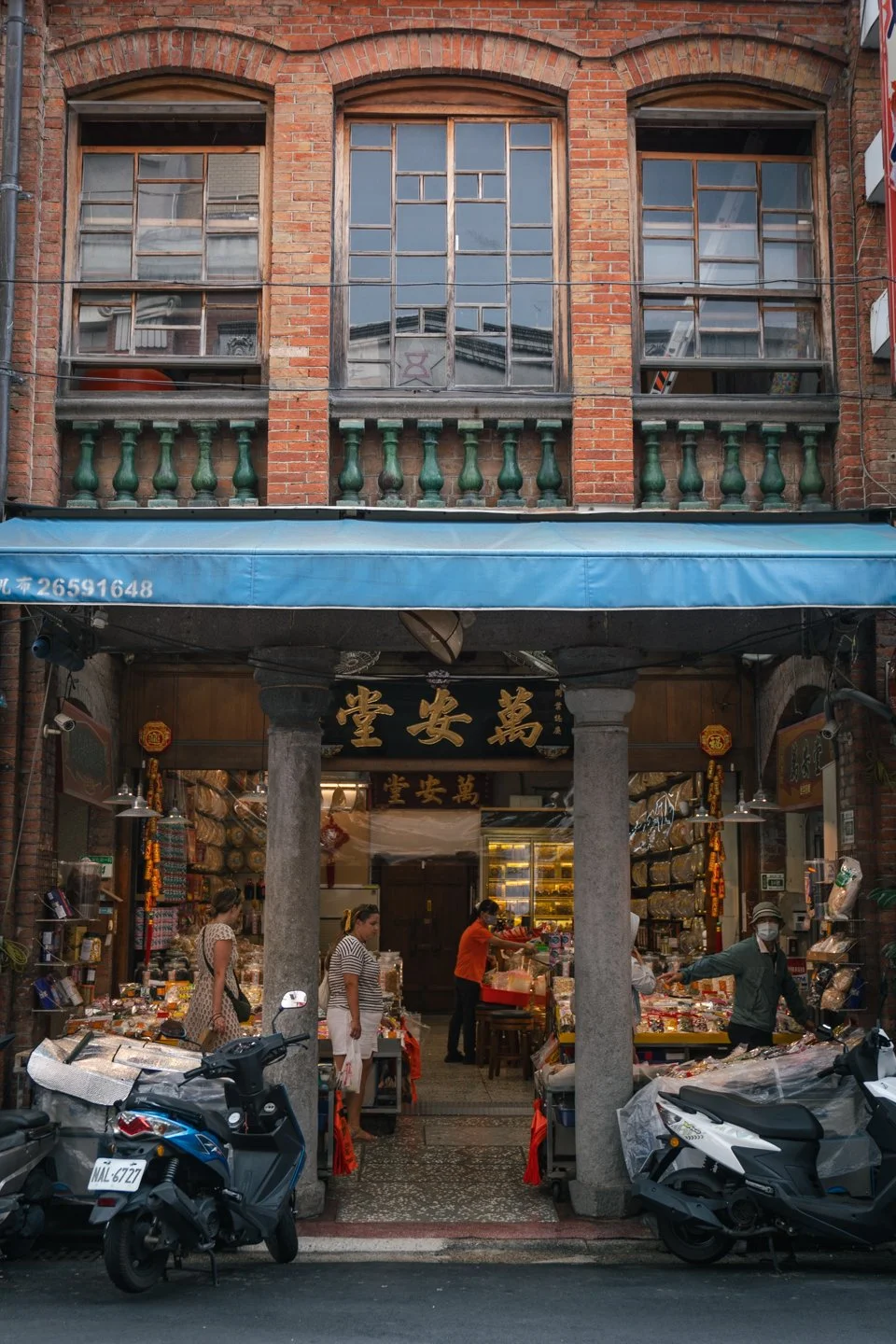
One of Taipei's oldest streets, Dihua is lined with late 19th and early 20th-century shophouses — a mix of Baroque, Art Deco, and Southern Fujianese architectural styles that somehow coheres into something quietly beautiful. The street has traditionally been the center of Taipei's trade in dried goods, traditional Chinese medicine, fabrics, and seasonal foods. It's a wonderful place to wander with a camera, ducking into shops that sell everything from dried mushrooms and preserved plums to locally made textiles and artisan goods. Around Lunar New Year, Dihua transforms into one of the most vibrant and photogenic shopping destinations in the city.
Explore Ximending
Taipei’s Ximending neighborhood is often compared to Tokyo's Harajuku — a dense, neon-lit pedestrian district in the western part of the city that has been the beating heart of Taiwanese youth culture since the Japanese colonial era. It's a place of deliberate excess: street food stalls, tattoo parlors, independent fashion boutiques, anime shops, chain restaurants, and enough bubble tea to float a small vessel. It can feel exhilarating and overwhelming at the same time. Ximending has its own distinct energy and cultural identity, and at its best it offers a genuinely interesting window into contemporary Taiwanese pop culture, street fashion, and the kind of chaotic commercial vitality that gives Taipei much of its character. Go in the evening when the crowds and the neon are at their most intense, eat something from a street stall, and embrace the sensory overload.
Elephant Mountain (Xiangshan)
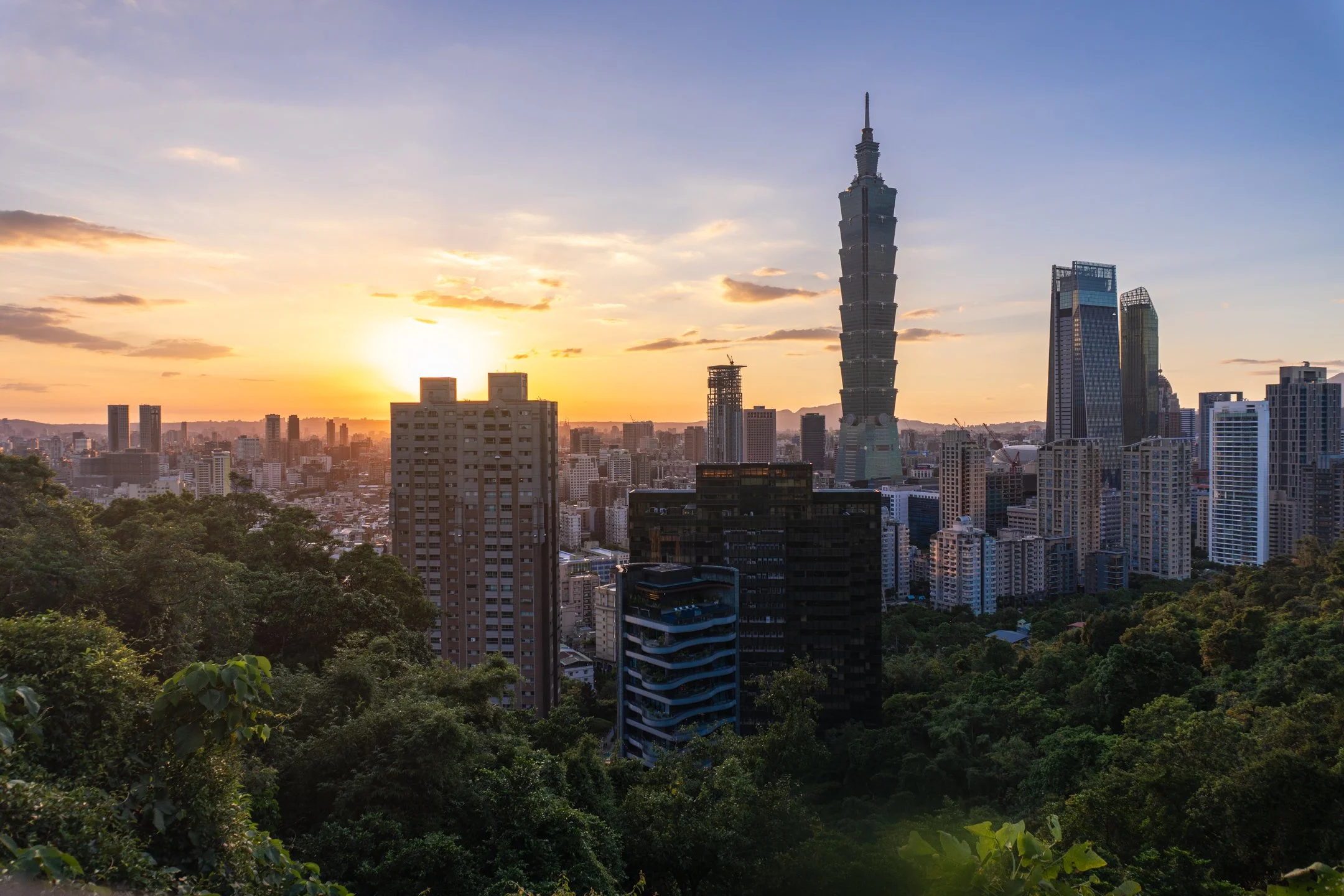
For the best views of Taipei's skyline — with Taipei 101 rising dramatically in the foreground — hike Elephant Mountain. It's a short but steep trail of stone steps climbing a small peak in the Xinyi district, and the reward at the top is one of the most photographed views in the city (see the image at the top of this page). The hike itself takes around 20-30 minutes. Go in the late afternoon to catch the sunset, but be aware that this is a popular spot and the summit can get crowded, especially on weekends. If you can time it for a weekday, you'll have a more peaceful experience.
Taipei 101
Speaking of spectacular views, the observation deck on the 89th floor of Taiwan’s most iconic skyscraper offers a 360 vista of the city and the surrounding mountains. From the observation deck, you can also see the mass damper, a 660-tonne golden sphere suspended between the 87th and 92nd floors that counteracts the building's sway in typhoons and earthquakes. The building is also home to a high-end shopping mall. Let’s be real — this is one of the most obvious and “touristy” recommendations on this list, but some things are famous for a reason.
Maokong Gondola
My third and final “do it for the views” suggestion. The Maokong Gondola is a cable car that runs from the Taipei Zoo up into the tea-growing hills southeast of the city, offering aerial views over Taipei and the surrounding forested mountains. At the top, the Maokong area is dotted with traditional teahouses where you can sit for hours over a pot of locally grown oolong, looking out over the city below. It's a genuinely pleasant half-day excursion that combines a scenic ride, good tea, and a slower pace that contrasts nicely with the urban intensity of the city center. The gondola connects directly to the MRT at Taipei Zoo station, making it easy to reach without a car.
Chiang Kai-shek Memorial Hall
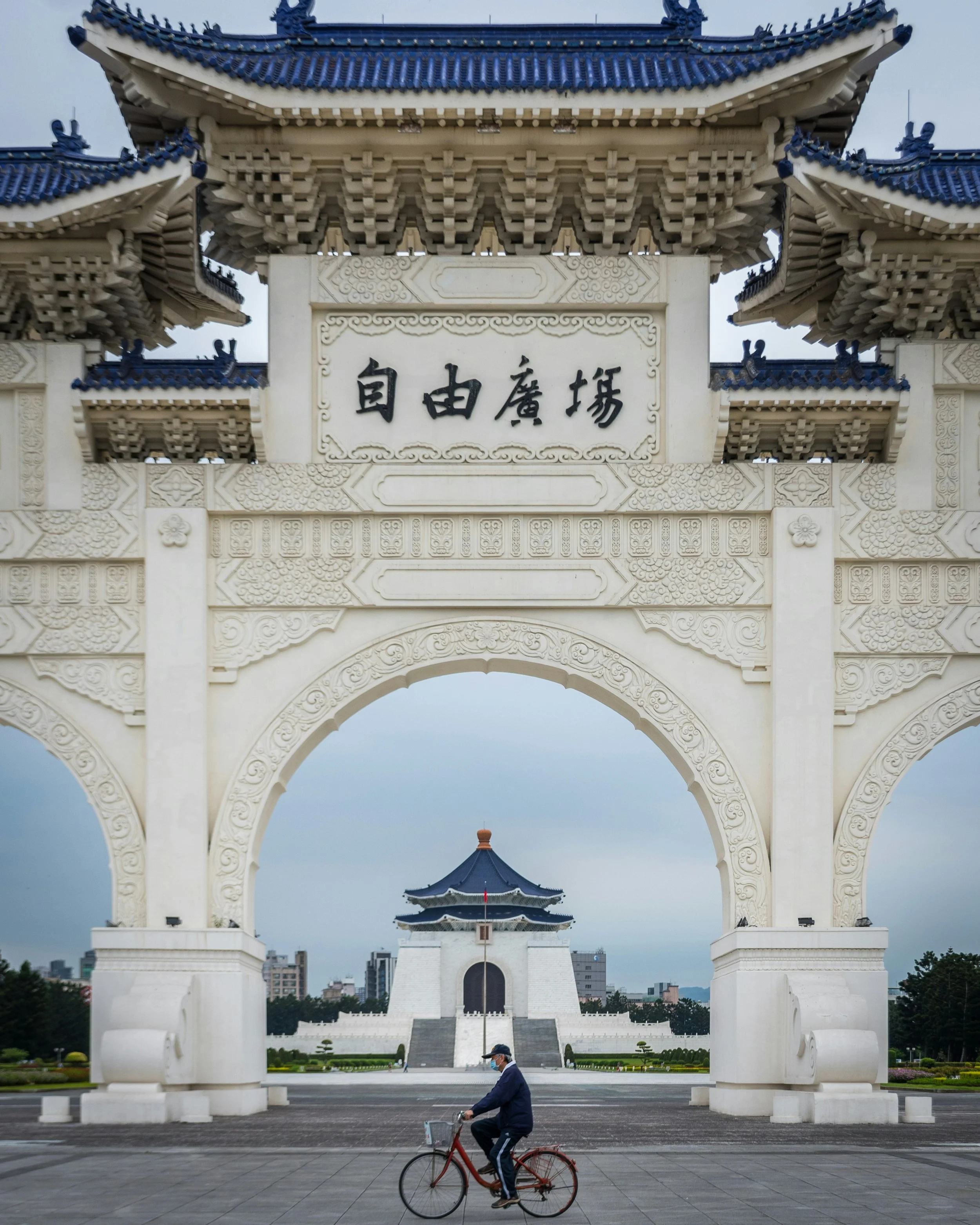
Chiang Kai-shek Memorial Hall is one of Taipei's most visited landmarks and one of its most contested. The vast white marble complex is undeniably impressive as a piece of architecture and urban design with its iconic blue-roofed octagonal hall, sweeping staircases, and enormous bronze statue of the Generalissimo himself. But Chiang's legacy is deeply complicated. While celebrated by some as the founder of modern Taiwan, he presided over the White Terror, a period of martial law and political repression during which thousands were killed or imprisoned. The memorial remains a flashpoint in ongoing debates about Taiwan's identity and historical memory. Whether you find it moving, troubling, or simply interesting as a piece of history, it's worth seeing — if only to garner a deeper understanding of Taiwanese historical legacy.
Da'an District
Taipei's most upscale and livable neighborhood is also home to some of its best cafes, restaurants, and independent shops. Da'an is the place to come for a slow morning over excellent coffee, a long lunch at a neighborhood restaurant, or an afternoon of wandering tree-lined streets past bookshops and boutiques. It lacks the dramatic sights of some other parts of the city, but it has a quality of everyday life that rewards unhurried exploration. If Taipei's night markets are the id of the city, Da'an is its more refined alter ego.
National Palace Museum
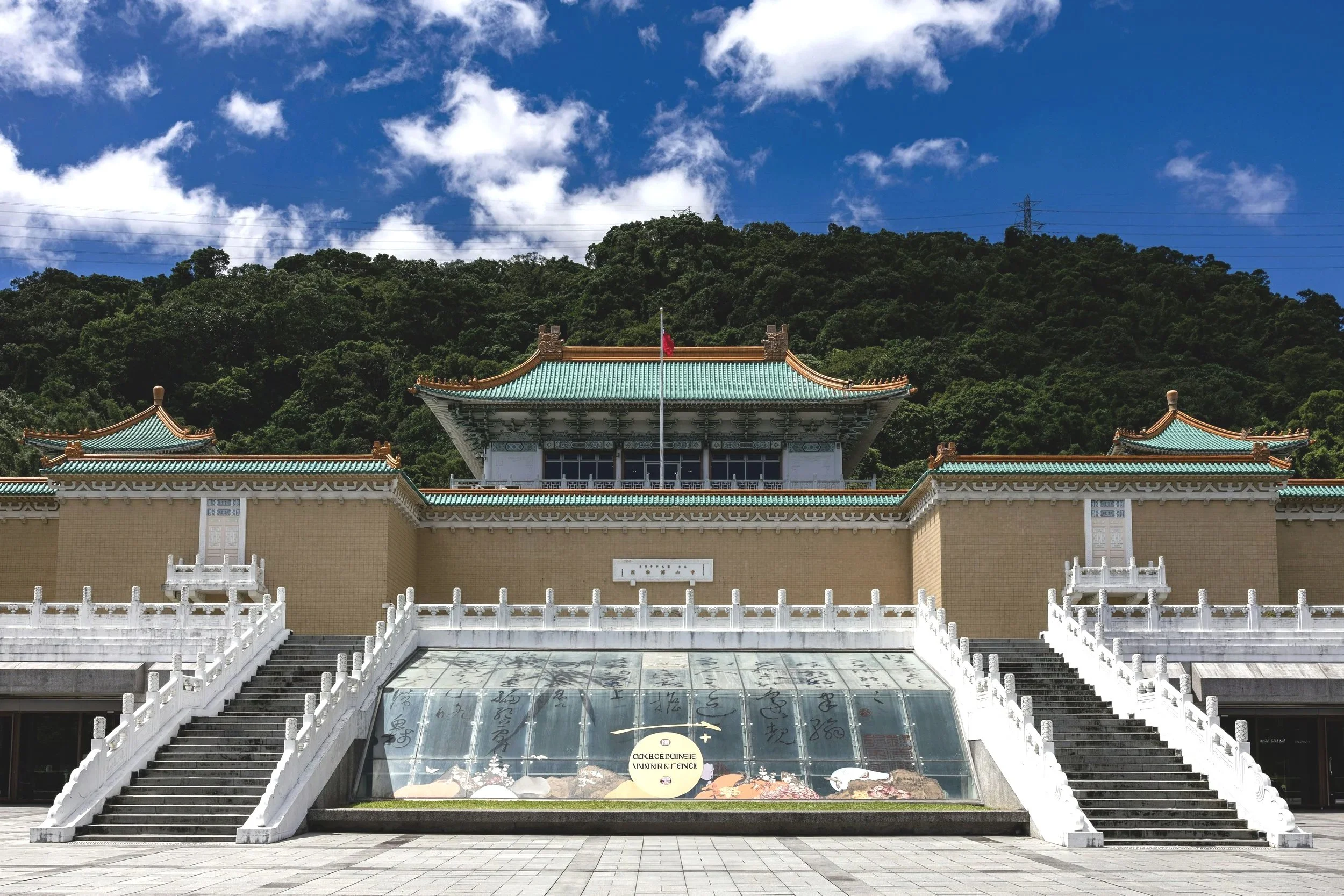
Home to one of the world's greatest collections of Chinese art and artifacts — over 700,000 items spanning 8,000 years of Chinese history — the National Palace Museum is a world-class institution by any standard. Much of the collection was brought to Taiwan by the Nationalist government in 1949, and it includes imperial treasures, calligraphy, jade carvings, and ceramics of breathtaking quality. Allow at least half a day — the collection is vast.
Further Afield
Here are some worthwhile options that are not actually in the city, but close enough for a day trip.
Jiufen
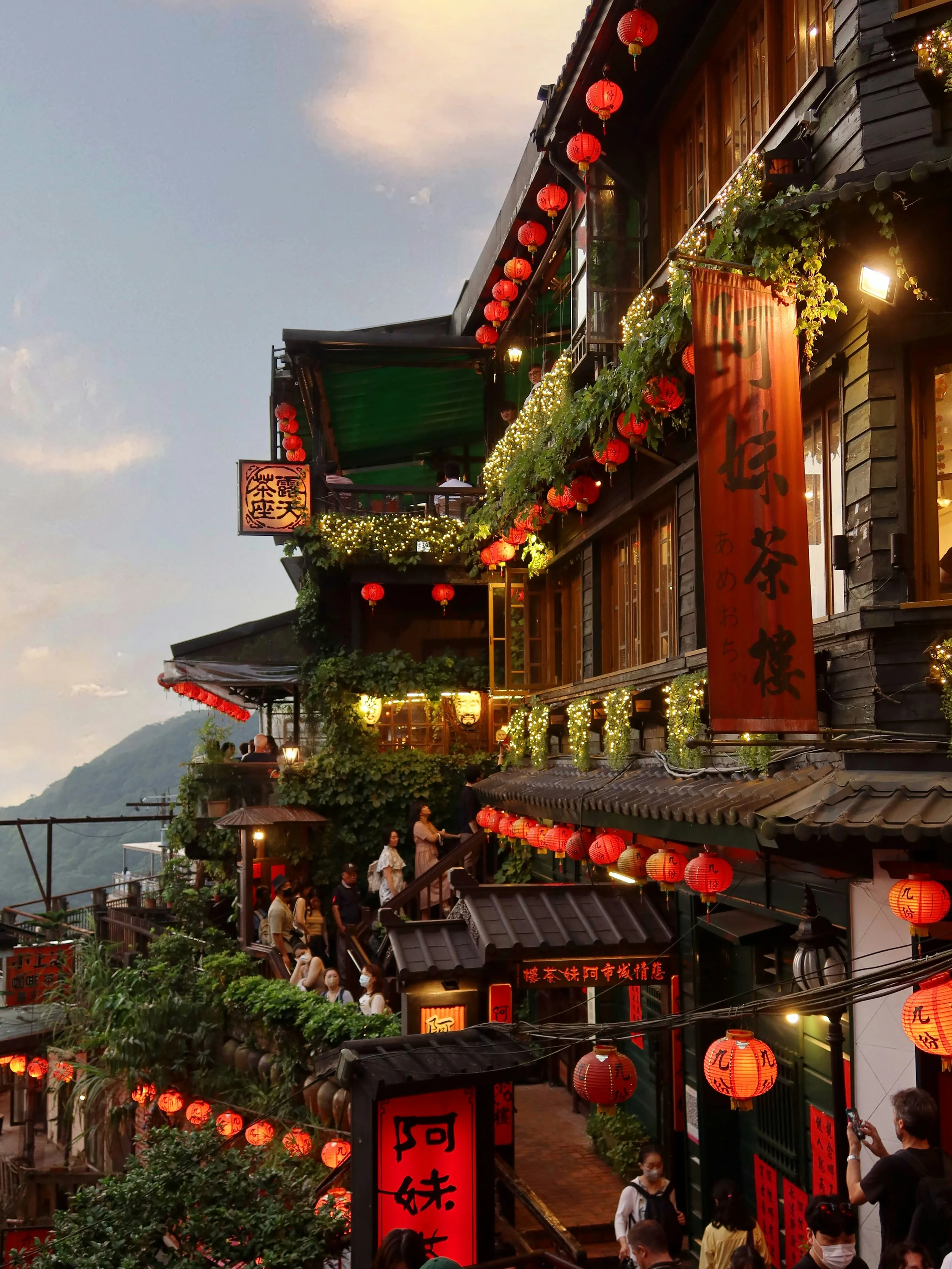
About an hour's drive from central Taipei, the hillside old town of Jiufen is one of the most atmospheric places in Taiwan. Perched on a steep hillside above the northeast coast, its narrow stone-stepped lanes, red lanterns, and sea-fog aesthetics are said to have inspired the bathhouse in Hayao Miyazaki's Spirited Away — though Miyazaki himself has never confirmed it. Whether or not the story is true, Jiufen is undeniably magical, particularly in the late afternoon as the lanterns come on and the light turns golden. It's best visited on a weekday to avoid the weekend crowds, and a few hours is enough to explore the main lanes, have tea at one of the clifftop teahouses, and take in the view across the sea.
Yehliu Geopark
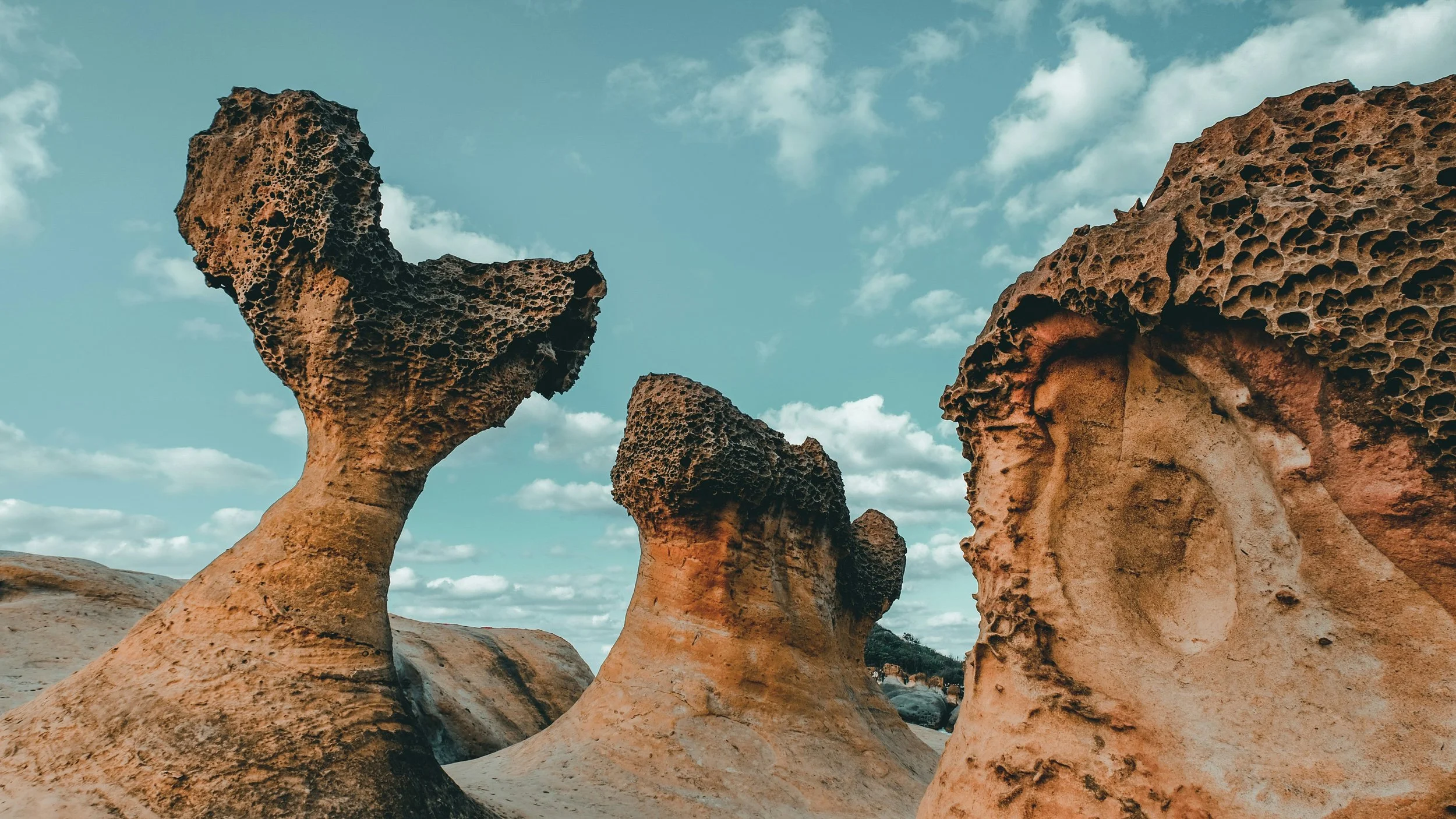
Yehliu Geopark is one of the most visually striking natural sites in Taiwan — a narrow cape jutting into the sea north of Taipei, covered in an otherworldly landscape of mushroom-shaped rock formations sculpted by millennia of wind and wave erosion. The most famous of these is the Queen's Head, a naturally formed rock uncannily resembling a regal profile, which has become something of a national symbol. It's strange and beautiful in a way that photographs struggle to capture. The park is about an hour from central Taipei by bus or taxi, making it a manageable half-day trip. It can get crowded, particularly on weekends and holidays, so an early arrival is advisable. Not essential, but if you have a spare morning and an appetite for something unexpected, it's worth the trip.
Yangmingshan National Park
A volcanic mountain park on Taipei's northern edge, easily reached by bus from the city center. Yangmingshan offers hot springs, dramatic crater landscapes, and excellent hiking trails — all within an hour of downtown. In spring, the hillsides erupt in cherry blossoms and azaleas, making it one of the most popular seasonal destinations in Taiwan. A worthwhile half-day or full-day excursion for anyone who wants to escape the city without going far.
Where to eat in Taipei:
Night Markets
Taiwan's night market culture is legendary, and Taipei's are among the best in the country. These are living, breathing institutions — not tourist traps dressed up as local experiences — where Taiwanese people of all ages come regularly for cheap, delicious food, games, and casual shopping. Go hungry, wear comfortable shoes, and be prepared to eat your way from one end to the other.
Taipei has several night markets worth knowing. Shilin Night Market is the largest and most famous — a sprawling, multi-level labyrinth of food stalls and shopping that draws enormous crowds every night. Raohe Street Night Market is one of the oldest, running the length of a pedestrianized street in Songshan district — the stalls are tightly packed, the atmosphere is electric, and the famous black pepper buns near the entrance sell out fast. Ningxia Night Market is smaller and more food-focused than the others, with a slightly more local feel. Gongguan Night Market, near National Taiwan University, skews younger and is popular with students. Each has its own character, and if your schedule allows, visiting more than one is well worth it.
What to Eat
Taiwanese cuisine is one of the great undiscovered culinary traditions of Asia — at least by Western standards. It draws on Fujianese and Hakka immigrant cooking, Japanese colonial influence, and indigenous Taiwanese ingredients to produce something genuinely distinctive. Here are the dishes worth seeking out:
Fried stinky tofu — the initiation test. The smell is alarming. Eat it anyway. Crispy outside, soft inside, served with pickled cabbage. It's one of those things you simply have to try in order to understand.
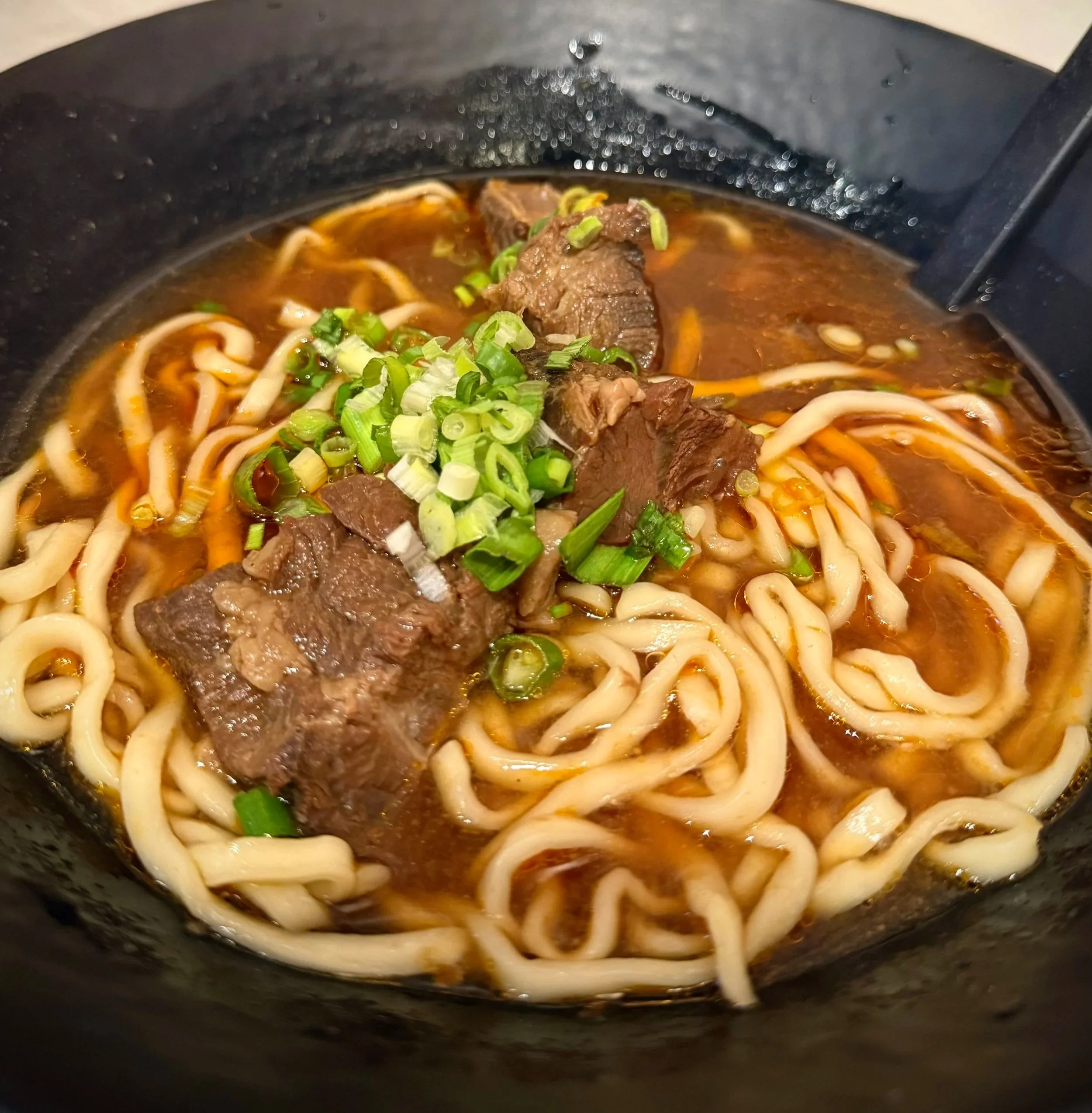
Beef noodle soup (niú ròu miàn) — Taiwan's unofficial national dish. A deeply flavored, slow-braised beef broth served over thick noodles with tender chunks of beef shank. Taipei takes this seriously — there are annual competitions to find the city's best bowl.
Oyster vermicelli (ô-á-mi-suànn) — thick, sticky rice noodles in a gooey sweet potato starch broth, topped with oysters and offal. A classic Taiwanese comfort food that surprises most visitors.
Scallion pancakes (cōng yóu bǐng) — flaky, layered flatbreads cooked on a griddle, often served with egg. Simple, cheap, and deeply satisfying.
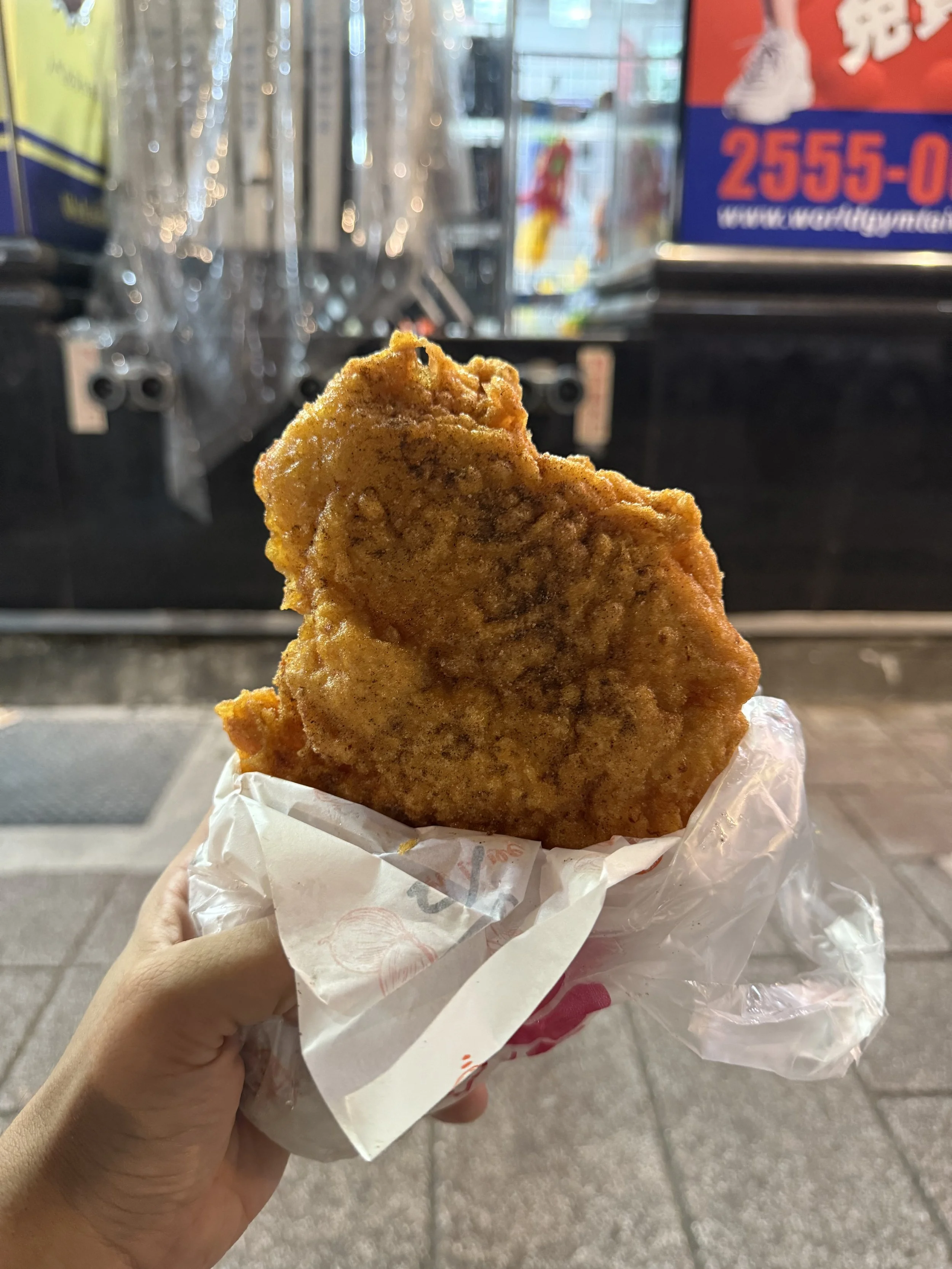
Giant fried chicken cutlet (ji pai) — a massive, paper-thin chicken breast, seasoned, battered, and fried until golden. Street food at its most elemental.
Pineapple cake (fènglí sū) — the essential Taipei souvenir. A buttery pastry shell filled with sweet pineapple jam. Every bakery in the city makes them, and quality varies enormously. Worth seeking out a good one.
Bubble tea — invented in Taiwan, perfected in Taipei. Fresh-brewed tea, real milk or fruit, perfectly chewy tapioca pearls. This is not the watered-down version you've had at home.
Peanut ice cream roll — a thin, crispy crepe wrapped around shaved peanut candy and a scoop of ice cream. A night market staple worth tracking down.
Taiwanese pork sausage — grilled, slightly sweet, served on a stick. Simple, elemental, and irresistible.
Taiwanese pork sausage — grilled, slightly sweet, served on a stick. Simple, elemental, and irresistible.
Gua Bao – A steamed bun sandwich filled with braised pork belly, peanuts, mustard greens, and cilantro—a sort of savory Taiwanese “hamburger.”
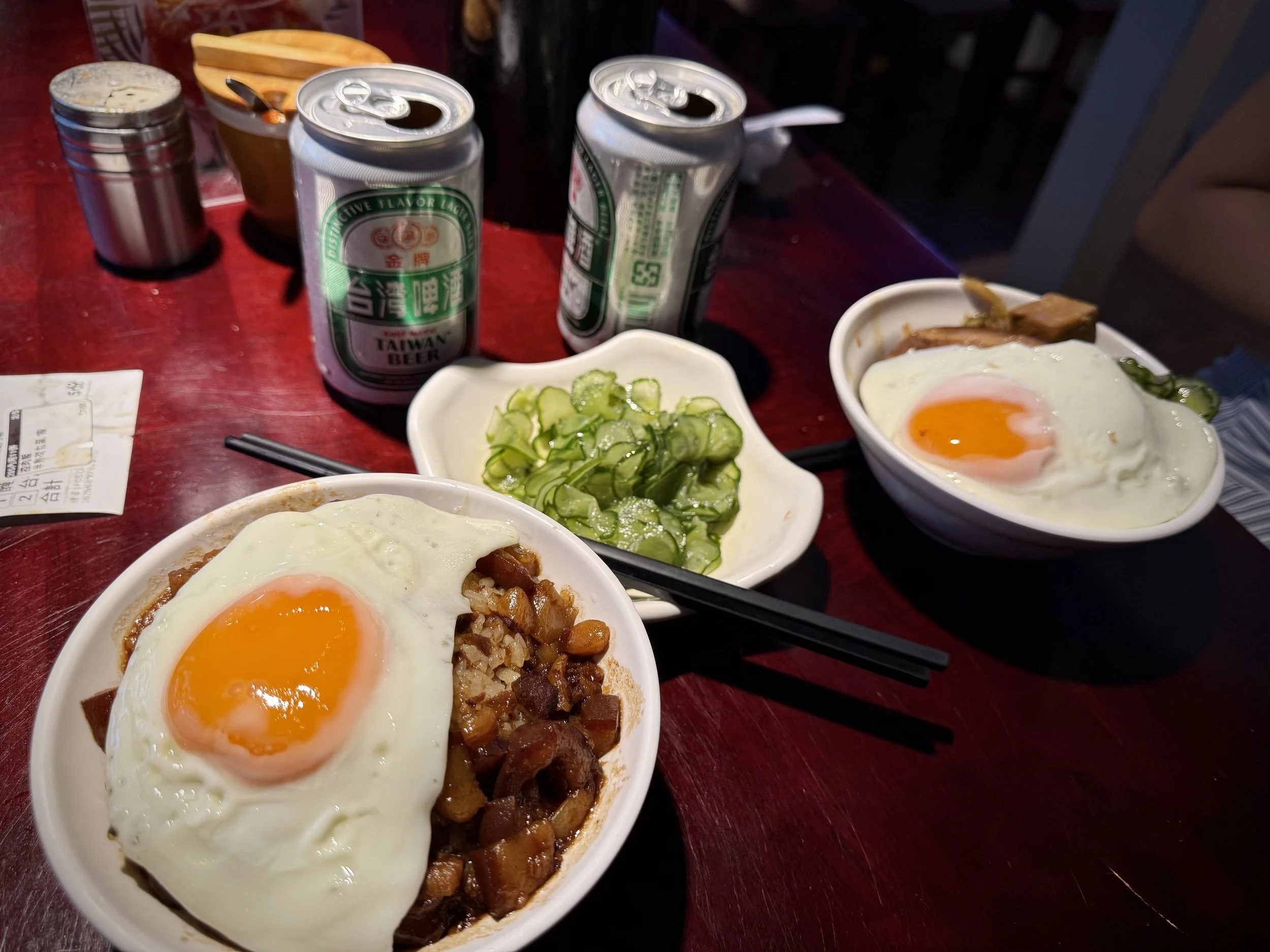
Lu Rou Fan — Taiwanese braised pork over rice
Din Tai Fung
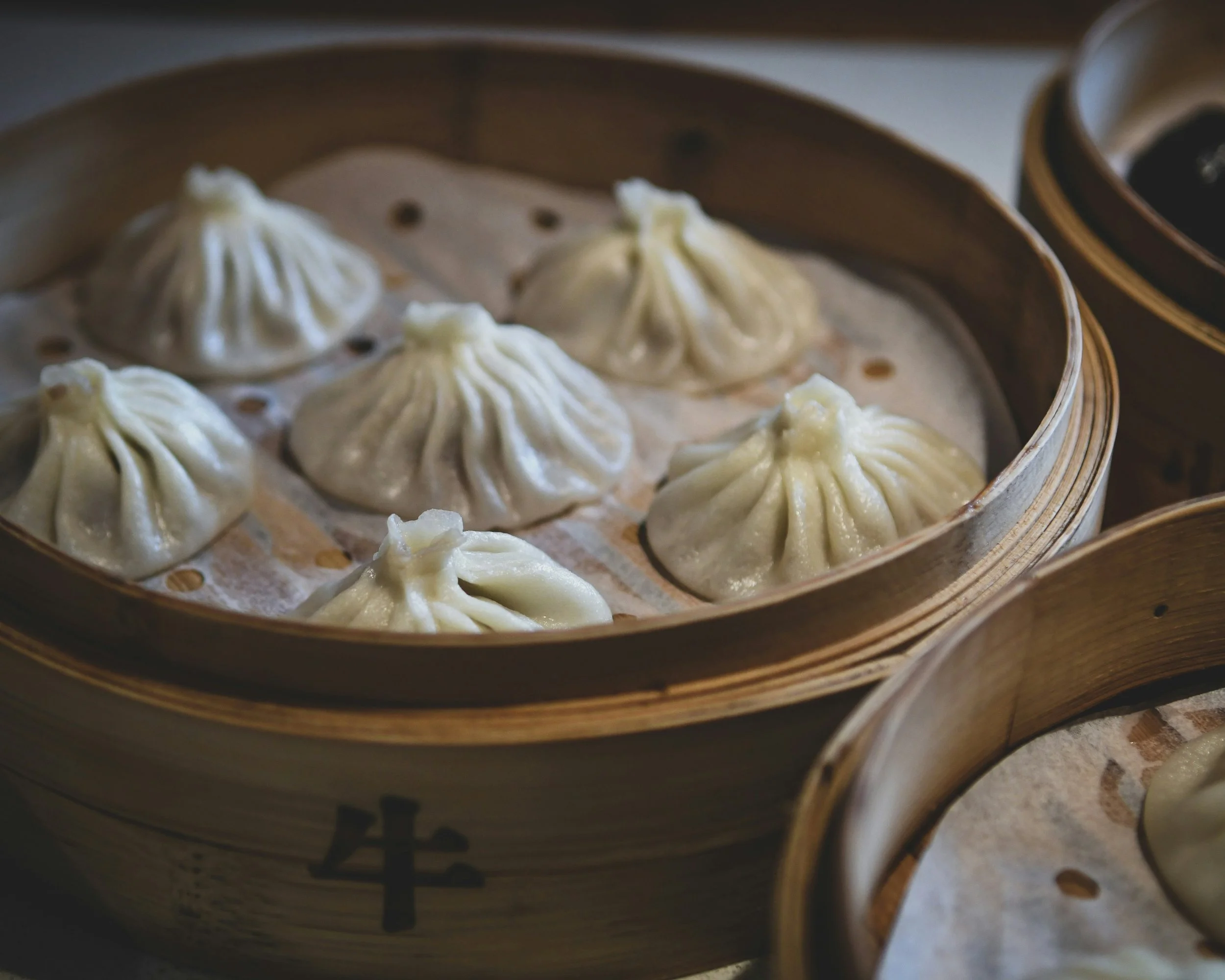
No food guide to Taipei would be complete without mentioning Din Tai Fung. What started as a humble cooking oil shop in Taipei in 1958 is now one of the most celebrated restaurant chains in the world — with Michelin stars and locations across Asia, Australia, and the United States. But the original is still here, and it's still the best. The signature dish is the xiaolongbao — delicate, paper-thin dumplings filled with rich pork broth and seasoned minced pork. Eating one properly is a small ritual: place it in a spoon, pierce the skin gently to release the broth, add a sliver of ginger and a dip of black vinegar, and eat it in one go. There will be a queue. There is always a queue. It is worth the wait.
Things to know before you go:
Get an EasyCard
The EasyCard is Taipei's equivalent of Hong Kong's Octopus Card or Seoul's T-Money card — a rechargeable transit card that works on the MRT, buses, and many other services. Pick one up at any MRT station upon arrival, load it with a few hundred NT dollars, and tap to pay everywhere you go. It makes getting around the city seamless.
Getting Around
Taipei's MRT (Mass Rapid Transit) is clean, efficient, air-conditioned, and easy to navigate in English. It covers most of the major attractions and neighborhoods, and a single journey rarely costs more than a few NT dollars. For destinations the MRT doesn't reach, the YouBike public bicycle sharing system is excellent — stations are located throughout the city, and short rides are very affordable. Taxis and ride-sharing apps like Uber are also widely available.
When to Visit
The best time to visit Taipei is October through December, when temperatures are mild, humidity drops, and the skies are generally clearer. Spring (March–May) is also pleasant. Summer (June–September) brings intense heat, high humidity, and typhoon season — manageable, but not ideal. January and February can be cool and occasionally rainy, though the Lunar New Year period brings a festive energy to the city that is worth experiencing if you don't mind the crowds.
Language
Mandarin Chinese is the primary language. English proficiency is generally good in tourist areas, restaurants, and hotels, and most MRT signage and announcements are in English. Away from the main tourist areas, Google Translate is your friend.
Currency
The currency is the New Taiwan Dollar (NT$). Credit cards are widely accepted in hotels, larger restaurants, and shops. Street food stalls and traditional markets are typically cash only, so keep some NT dollars on hand.
