
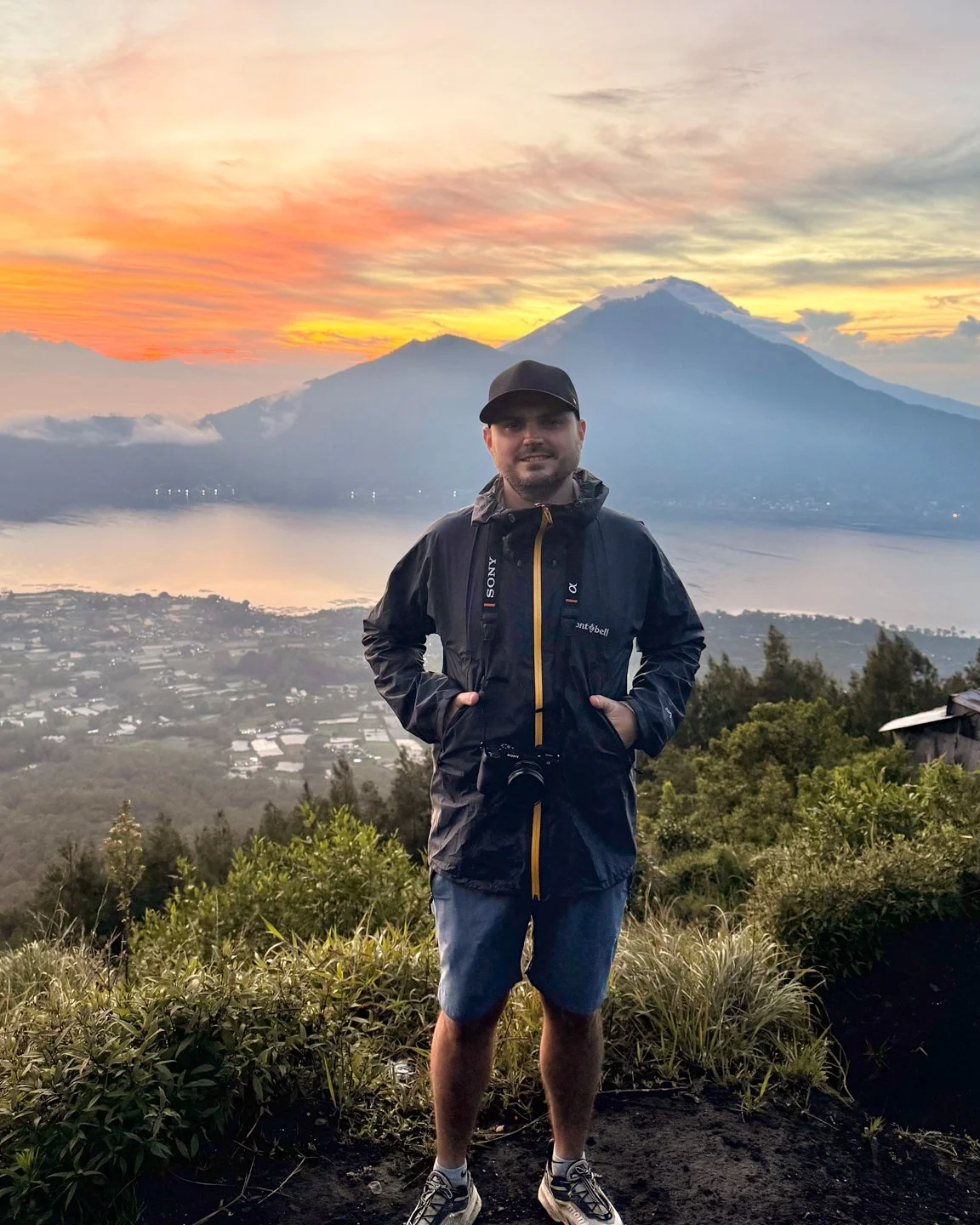
Mt. Batur summit — Bali, 2026
Meet Your Travel Advisor
My Story
Hi! I’m Kevin, founder of Oblique Route. I’m an expat who has called South Korea home for fifteen years—and in that time, I’ve traveled extensively across Asia with a camera in hand and an appetite for the authentic. I have a passion for immersive, off-the-beaten-path travel—eating where the locals eat, wandering where other tourists don’t, and finding the stories that don’t show up in any guidebook. If you’re looking for someone who knows the backstreets of Tokyo, the mountain trails of Korea, and the street food stalls of Vietnam from years of firsthand experience—I’m your guy.
When I first came to Korea in 2011, I had no idea I’d be staying this long. But then life happened. I fell in love with a Korean girl, married her, and we built a life here together. Now, I think of Korea as home.
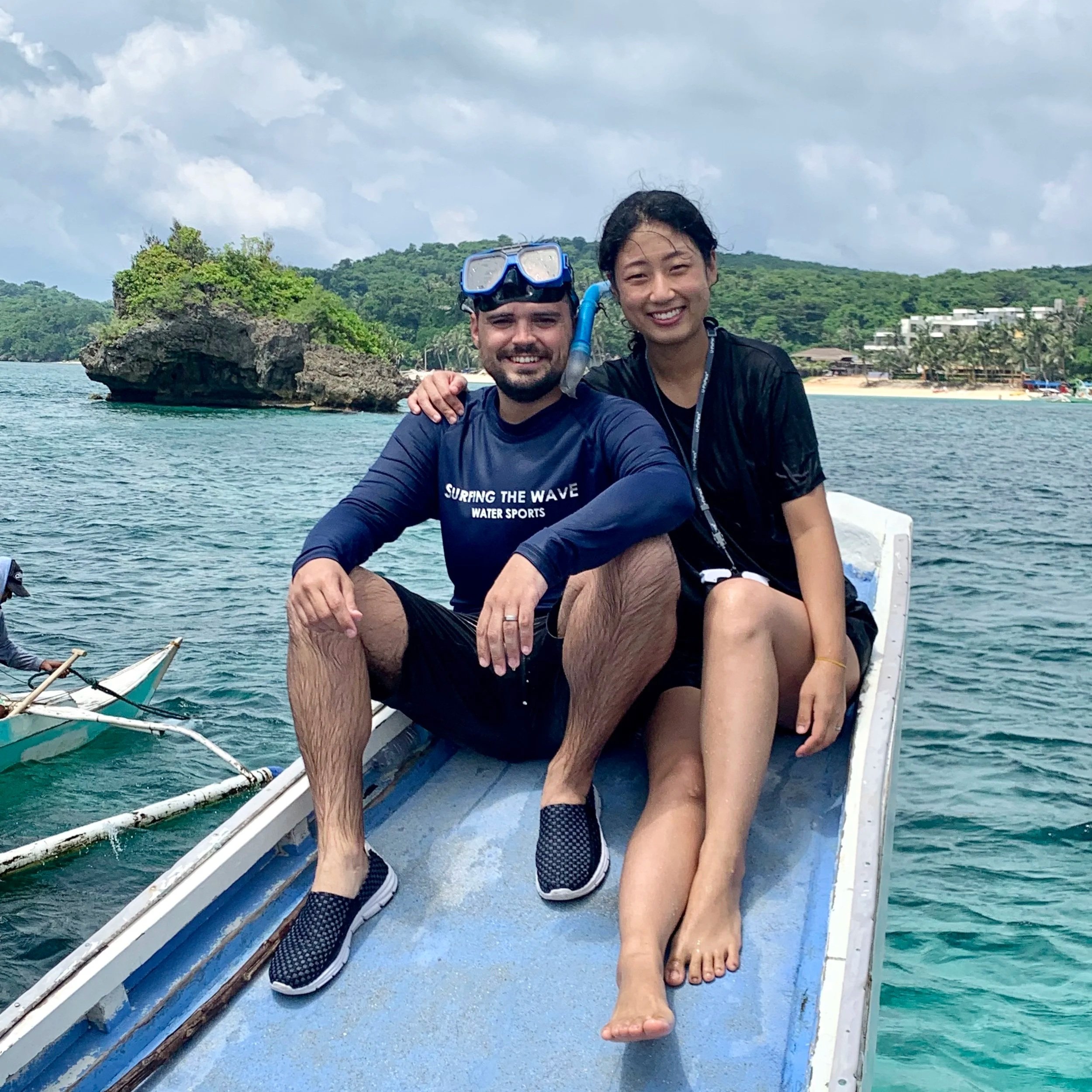
With my wife in Boracay, 2019
My first Asia trip outside of Korea was to Japan, and I’ve since been back to that incredible country more than ten times. Another one of my favorite places to visit is Vietnam (best food in southeast Asia, if you ask me). Whether it’s relaxing on a Thai beach, browsing the wares at Temple Street night market in Hong Kong, or doing something more extreme like climbing sand dunes in Mongolia’s Gobi Desert — I’ve found that Asia is host to an endless array of diverse travel experiences, with offerings to satisfy all types of travelers, from beach bums to ultra adventurists.
I started Oblique Route out of a desire to translate my love of travel and trip planning into a service that can help others make the most of their travels. The first seed of the idea that would become Oblique Route was planted during the course of my long career as a professor and university-based study abroad advisor, roles in which I drew on my own experience to help others navigate unfamiliar places. The next seed came from messages I occasionally received from friends and loved ones — “Our family is going to Japan for two weeks next spring. What would you recommend?” or “I have a 24-hour layover in Taipei coming up. What’s the ONE food I should try while I’m there?” Before long, I started to realize that I really enjoyed this. I liked being the guy with the answers, and I loved crafting curated recommendations for others. The best part is always hearing back about their experience afterwards. Nothing makes me happier than receiving messages like, “Hey, that satay spot you recommended in Singapore was AMAZING!”
From there, it was a short leap to “Maybe I should do this professionally.” And thus, Oblique Route was born. So, welcome! I’m glad you’re here, and I’m eager to help you start planning your next journey.
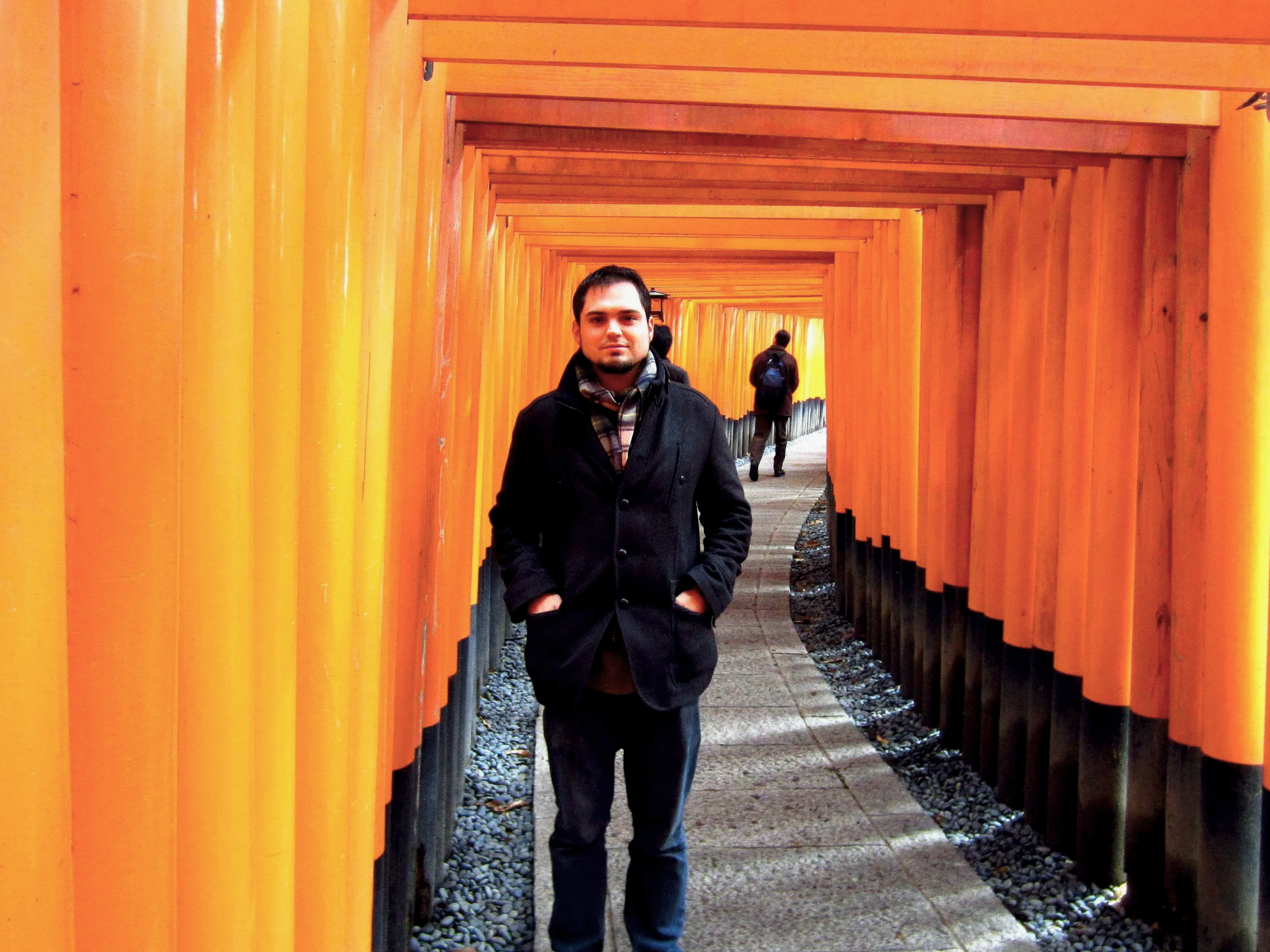
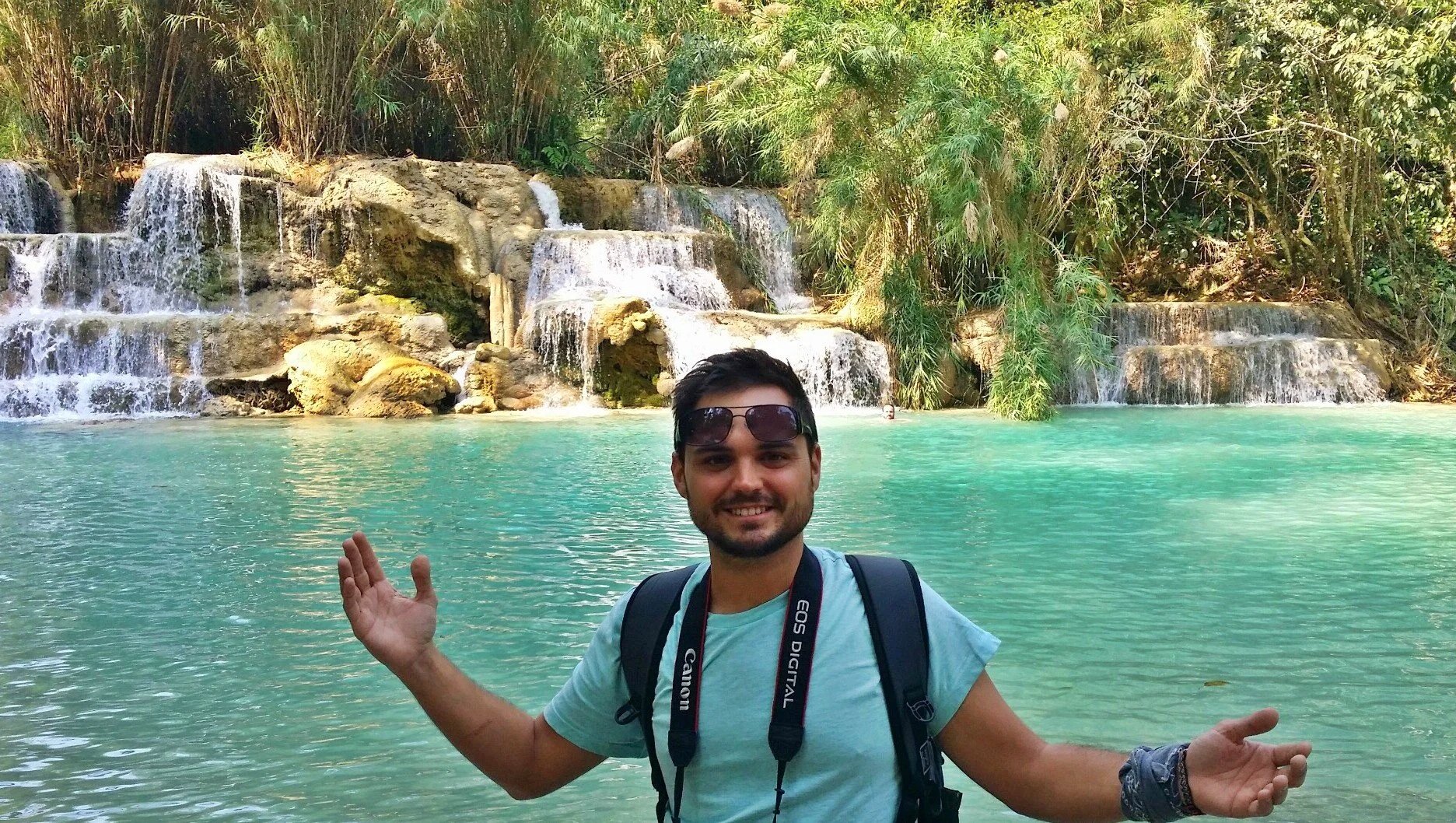
Laos, 2015
First of many trips to Japan, 2012
My Travel Philosophy
At Oblique Route, travel itineraries are designed to maximize cultural immersion. But what does that actually mean? What does it look like in practice? The idea is to understand how a place thinks, lives, remembers, creates, and changes — through guided context, local interaction, and intentional pacing. It’s about context, not just sightseeing; engagement, not just observation; understanding, not just consumption.
To better help my clients understand my travel philosophy, I have outlined the following Five Pillars of Cultural Immersion as a way of framing my priorities when building a bespoke itinerary for a client.
The First Pillar: Everyday Life Exposure
The most authentic travel experiences often happen not at the famous landmarks, but in the quiet rhythms of daily life — the morning market, the neighborhood café, the commute. Oblique Route itineraries are designed to create space for these moments, giving you a genuine glimpse into how people actually live.
Example activities: Guided traditional market visit, neighborhood coffee culture, public transit use, morning walks in residential districts, visiting a local grocery store, visiting a public bathhouse (with guidance).
Immersion happens when travelers understand these rhythms.
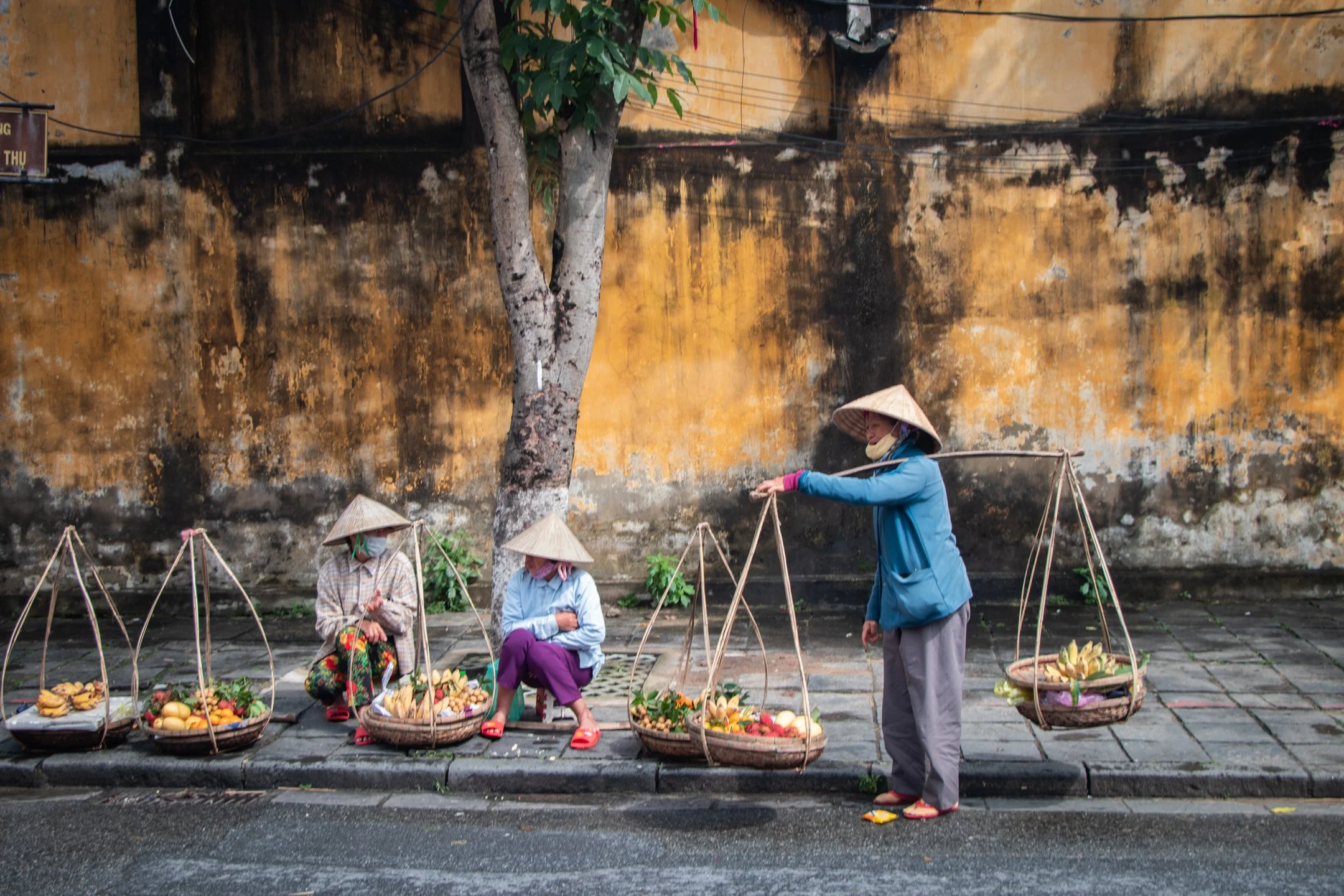
The Second Pillar: Eat and Drink Like a Local
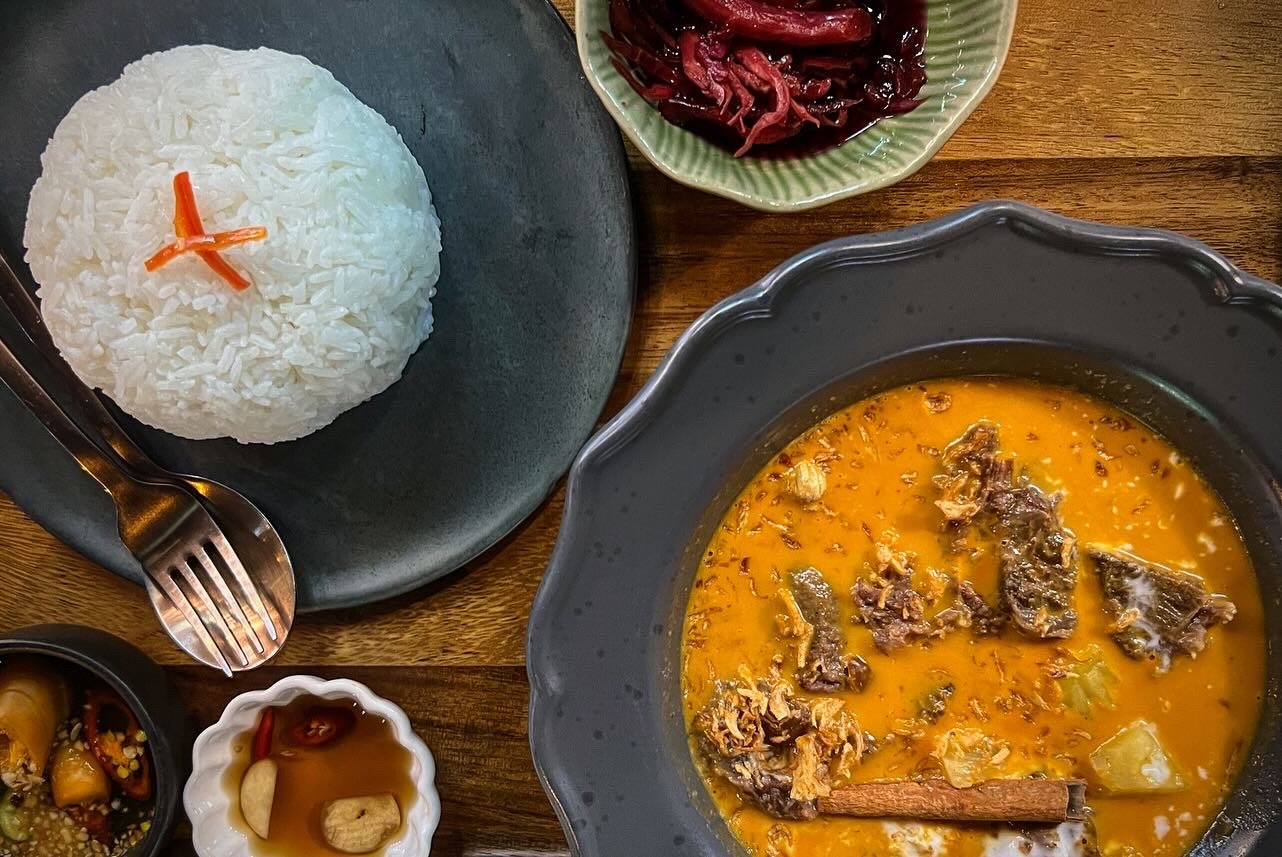
Ask me about any destination in Asia, and I’m likely to start by talking about the food. Food is culture made edible. Every market visit, every street food stall, every meal shared in a neighborhood restaurant tells you something about a place that no hotel breakfast buffet can. Oblique Route itineraries treat food and drink not as a footnote but as a primary lens through which to experience a destination.
Examples: cao lầu at a local spot in Hoi An’s old town, fresh tuna sashimi at Tsukiji Fish Market in Tokyo, a towering bowl of bingsu at a dessert cafe in Seoul, cha yen (Thai iced tea) from a street cart in Bangkok. If you’re unsure where to start, many destinations have street food tours available, allowing you to dive into the local cuisine with a knowledgeable guide.
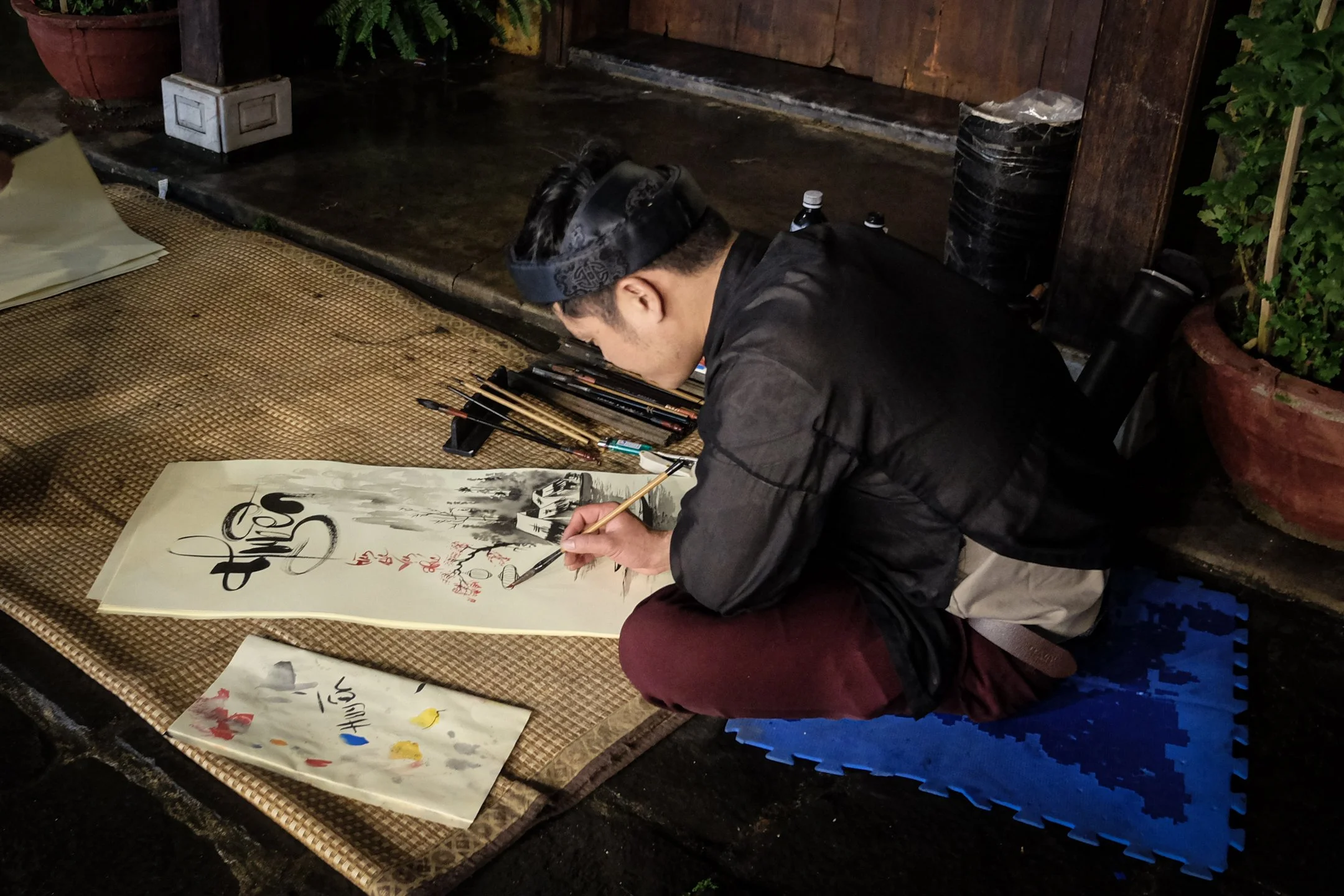
The Third Pillar: Participatory Experiences
There's a difference between watching a tea ceremony and participating in one. Between admiring a paper lantern and making one yourself. Participatory experiences transform travel from passive consumption into active engagement — and the memories tend to stick around a lot longer than anything you merely observe. You don't just see a culture. You touch it, taste it, and maybe even carry a piece of it home with you.
Example activities: a cooking class, a calligraphy lesson, a local craft workshop, a guided Buddhist meditation session, an overnight temple stay, a pottery or textile workshop, a traditional dance lesson.
The Fourth Pillar: Contextual History
Every destination has a surface story — the landmarks, the famous sites, the highlights reel. But beneath that surface lies a deeper narrative: the wars fought, the empires risen and fallen, the social movements that shaped modern life. Contextual history is what transforms a visit to an ancient temple from a photo opportunity into a genuinely moving experience.
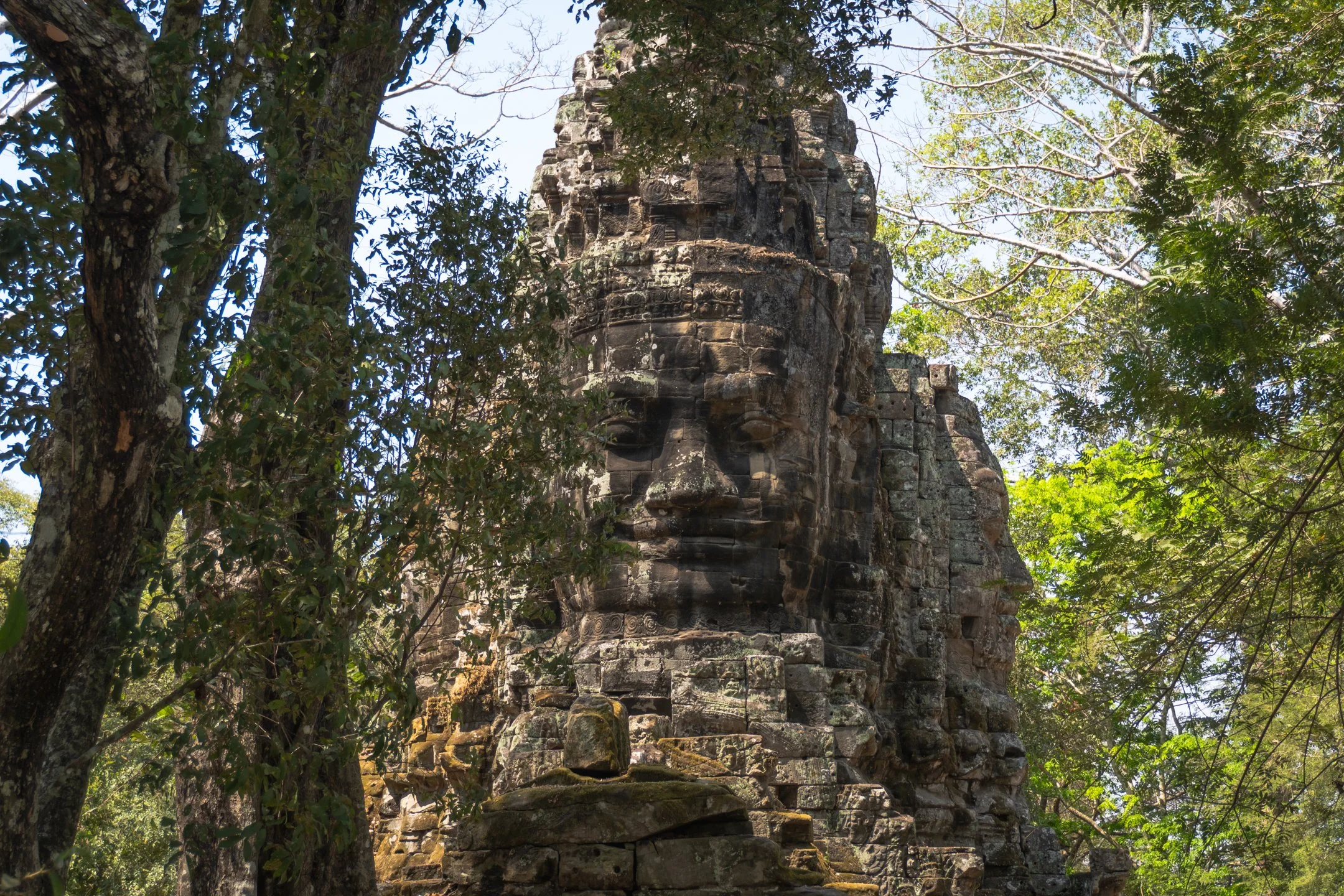
Here are some examples that have moved me personally: The Hiroshima Peace Memorial Museum (Japan), Tuol Sleng Genocide Museum and Killing Fields (Cambodia) , The Cu Chi Tunnels near Ho Chi Minh City (Vietnam), a DMZ tour with historical context briefing (Korea again), Angkor Wat with a guide (Cambodia), Gyeongju’s ancient royal tombs and temples (Korea once more).
The Fifth Pillar: Structured Free Time
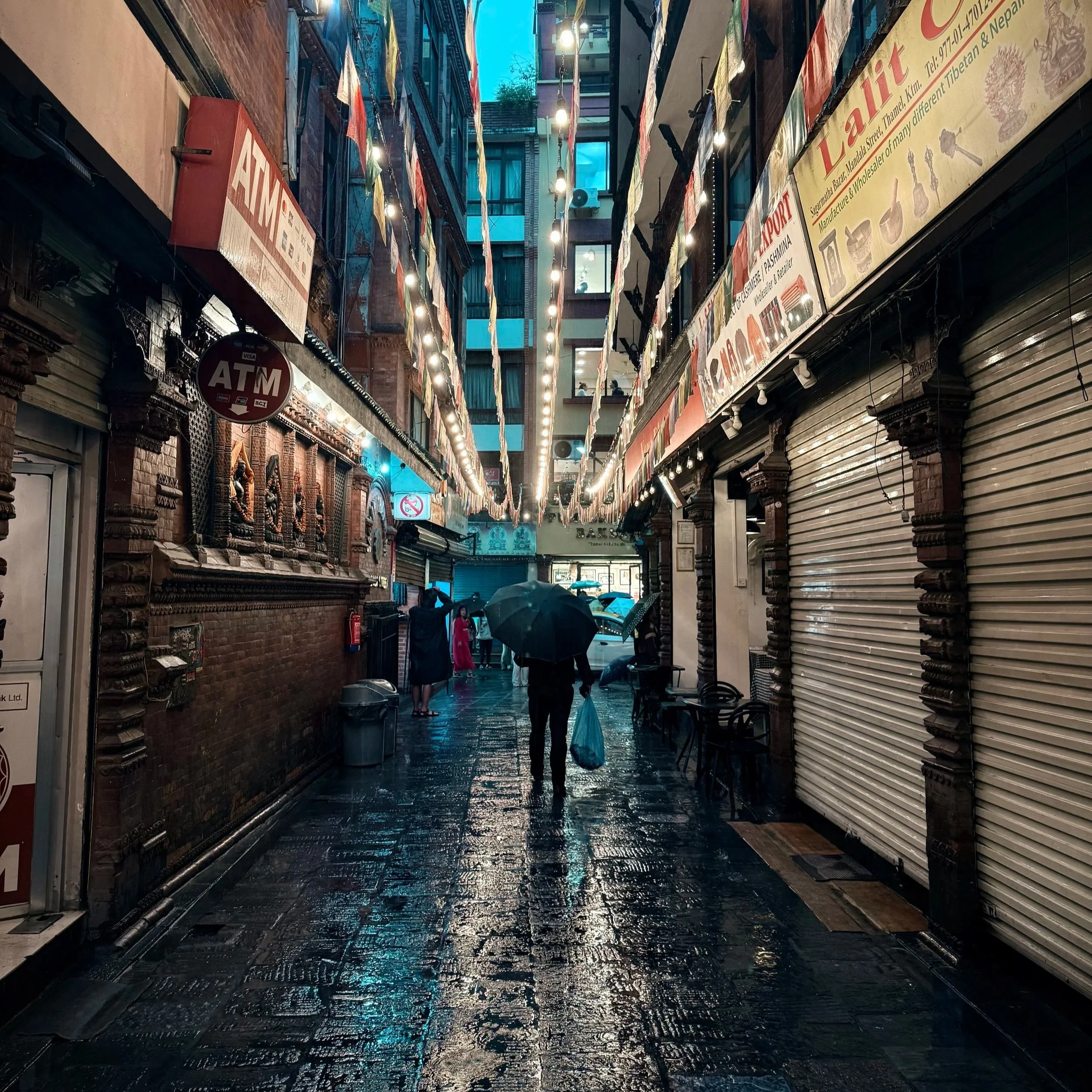
The most transformative travel moments are often not the ones on the itinerary. They're the unexpected conversation with a shopkeeper, the alley you turned down on a whim, the café you stumbled into because it started raining. Immersion dies when people are overscheduled. Every Oblique Route itinerary builds in deliberate breathing room — not as an afterthought, but as an essential ingredient.
These five pillars are the foundation of every trip I design for my clients. Not every journey will include all five — but all five will always inform the thinking behind it. If this philosophy resonates with you, I'd love to help you plan your next journey. Get in touch and let's start the conversation.