
Guide: Taipei’s Night Markets
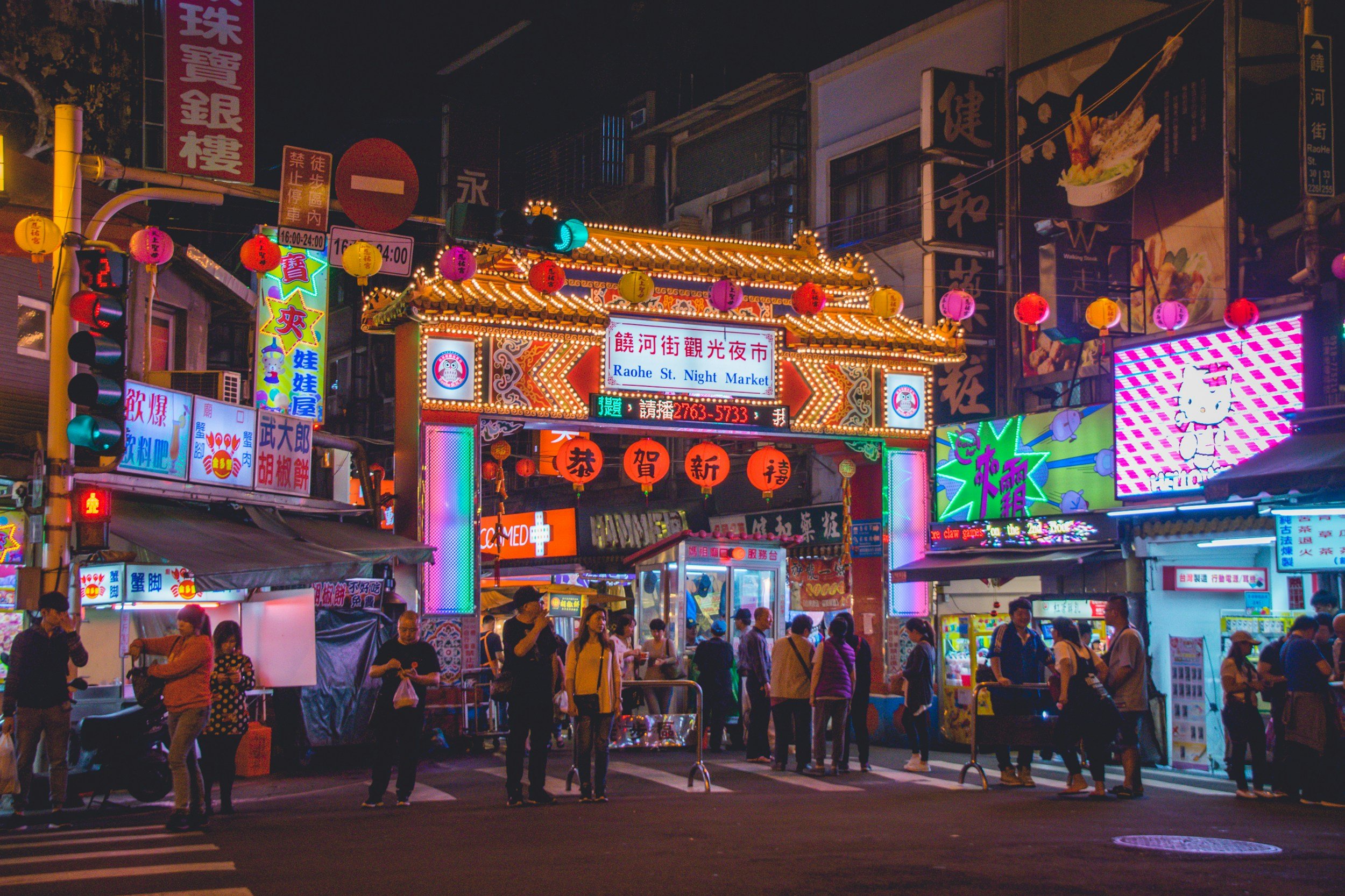
If there is one thing Taipei does better than almost anywhere else on earth, it's the night market. These aren't tourist attractions dressed up as local experiences — they are living, breathing institutions that Taiwanese people of all ages visit regularly, and they have been feeding the city for generations. The food is cheap, the atmosphere is electric, and the variety is staggering. If you visit Taipei and don't spend at least two or three evenings eating your way through a night market, you’re doing it wrong.
There are around twenty night markets of varying size scattered across Taipei. What follows is a guide to the ones that matter most — four distinct markets, each with their own character, reputation, and cast of standout vendors.
Raohe Street Night Market (饒河街夜市)
The verdict: The best all-round night market in Taipei.
Ask locals which night market they'd recommend to a visitor, and increasingly the answer is Raohe. In the years since Covid disrupted Taipei's night market scene, Raohe has quietly consolidated its position as the city's finest — not just for food quality, but for atmosphere, accessibility, and sheer consistency.
The market runs the length of a single pedestrianized street in the Songshan district, bookended at one end by the Ciyou Temple and flanked on both sides by densely packed stalls. It's compact enough to cover in an evening without feeling overwhelming, but dense enough with good options that you'll want to linger. The focus is almost entirely on eating rather than shopping. If you're looking for trinkets and carnival games, go elsewhere. If you're looking for some of the best street food in Taiwan, you've found it.
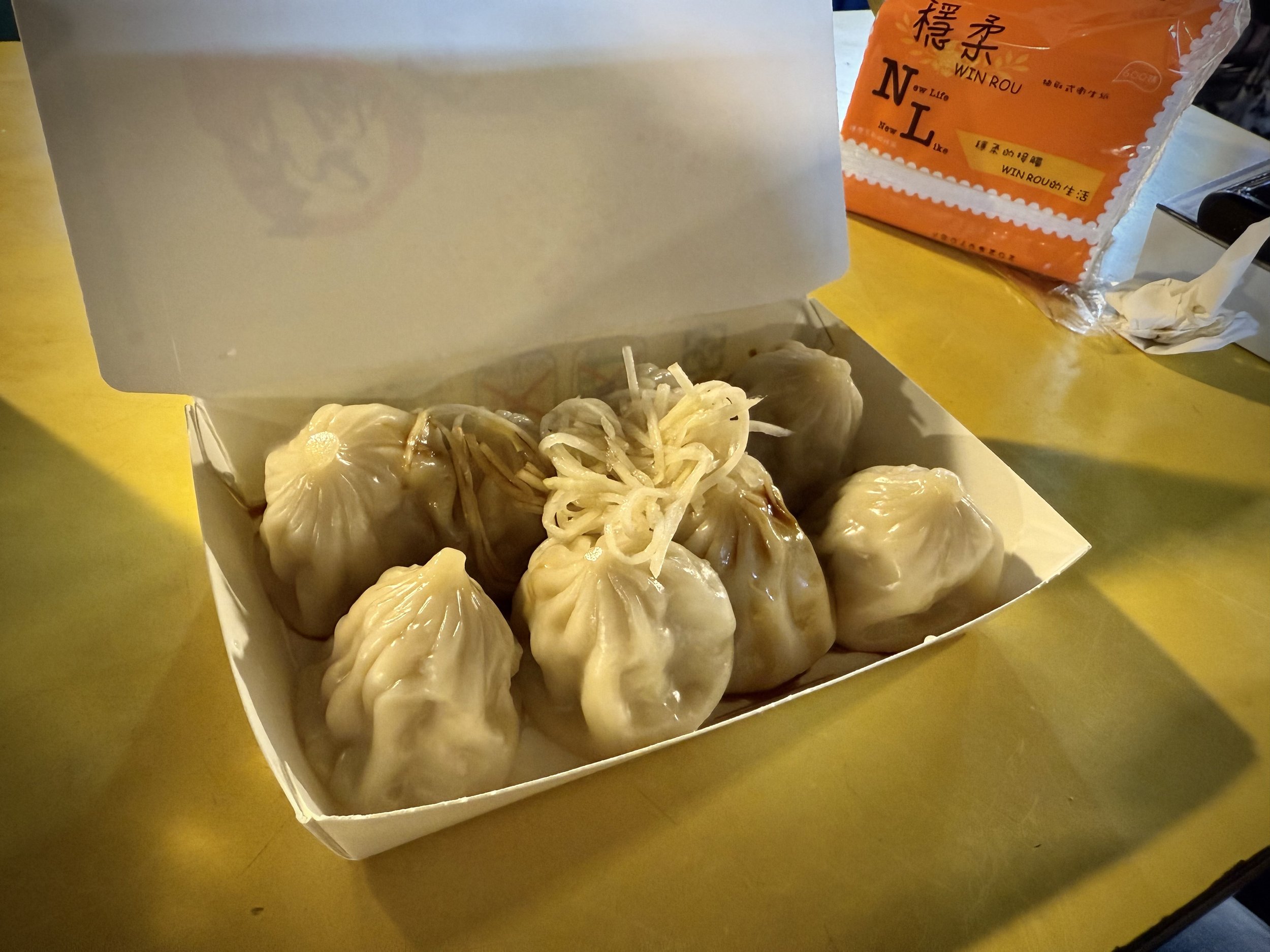
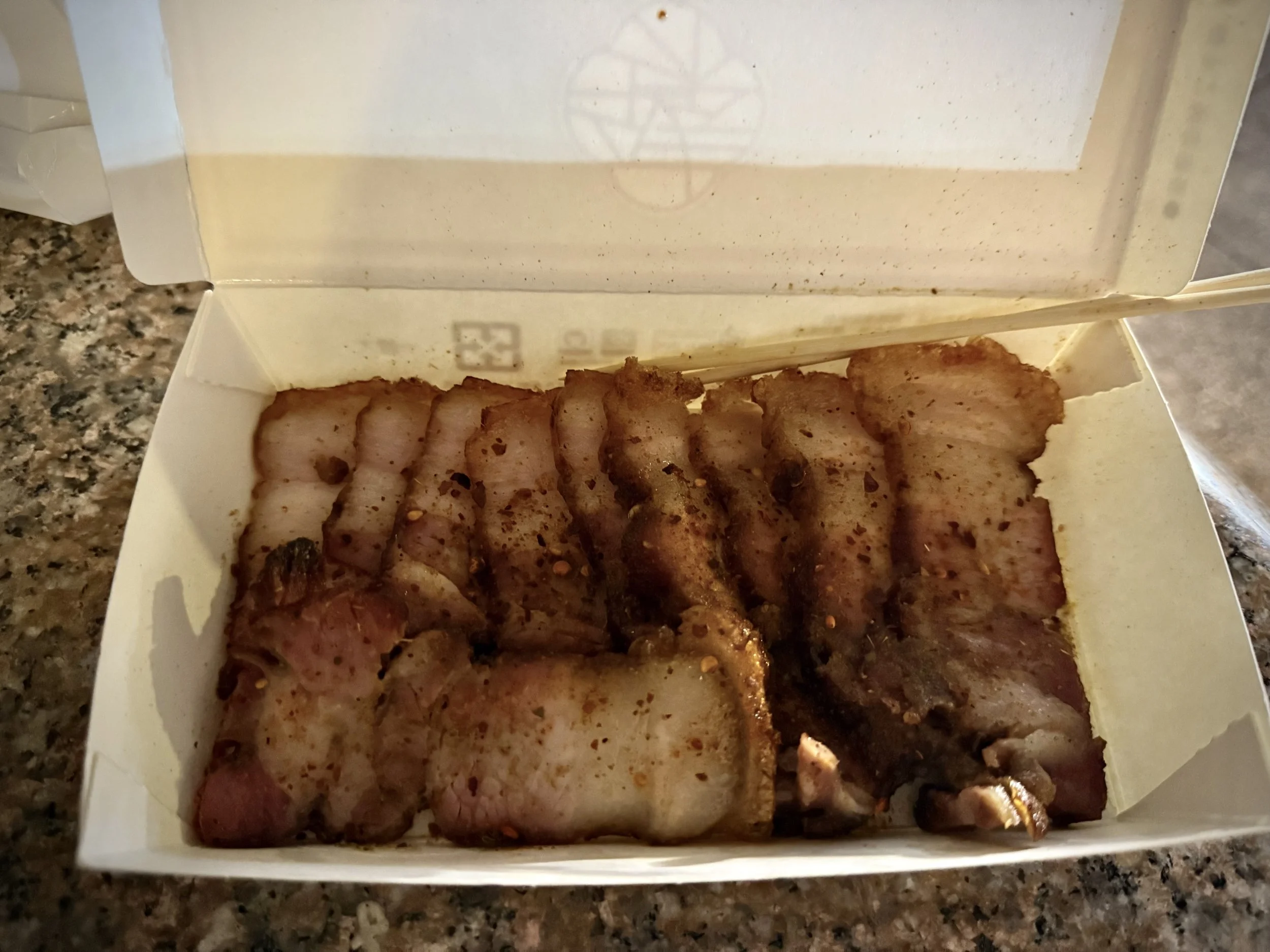
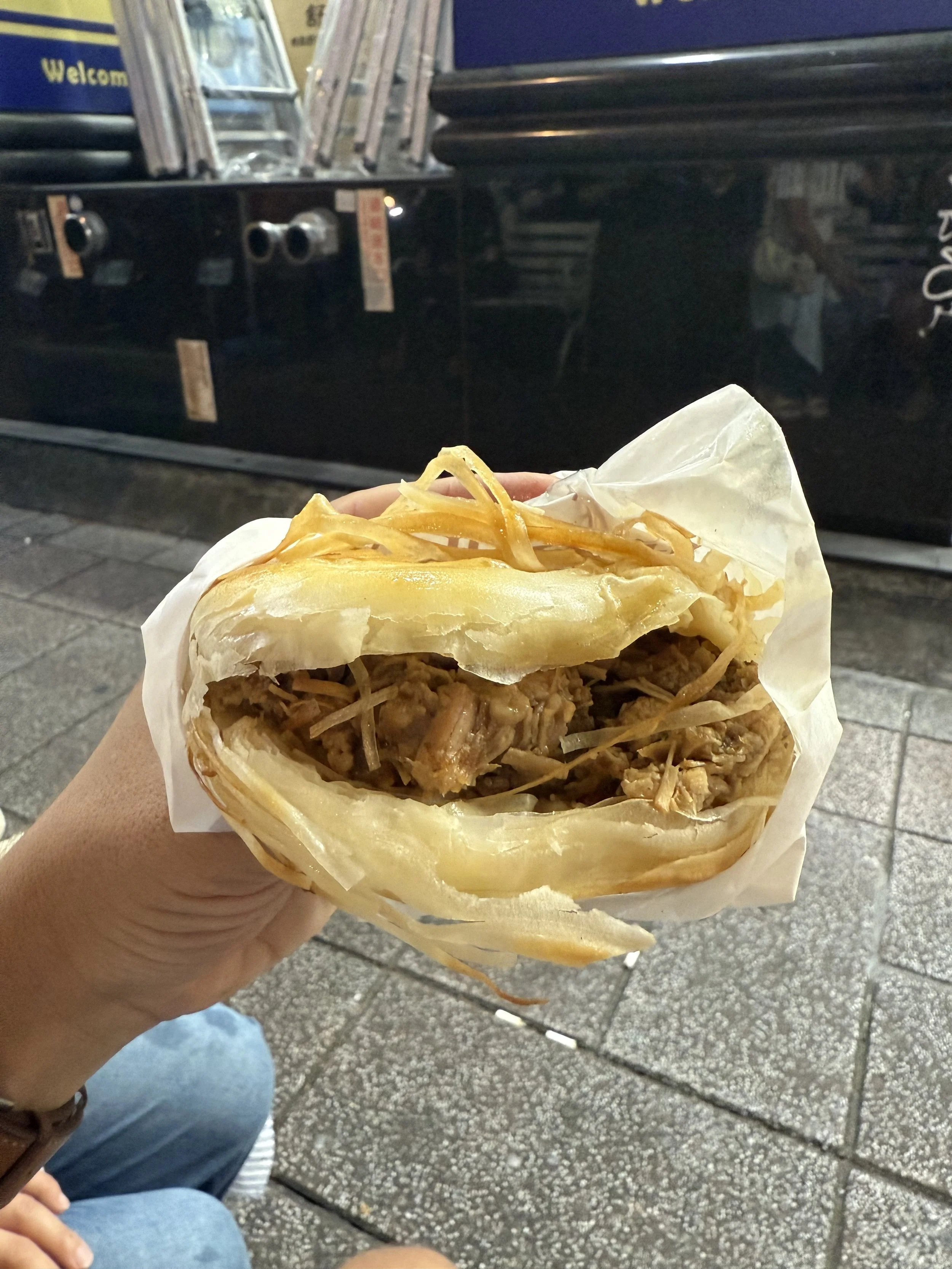
Several stalls here have earned Michelin Bib Gourmand recognition, which is perhaps why Raohe has increasingly attracted serious food tourists alongside its loyal local following. The three Michelin-recognized stalls are Fuzhou Black Pepper Buns, Chen Dong Ribs, and A Kuo Lu Wei (braised foods) — all worth seeking out.
Don't miss: The black pepper buns at the famous stall near the Songshan Temple entrance. These thick, doughy buns are filled with minced pork and scallion, then baked in a tandoor-style oven until they emerge blistered and fragrant, bursting with juice. There will be a queue. There is always a queue. Get in it. The herbal pork rib soup is another standout — a deeply flavored broth that has been simmering for hours, the ribs fall-apart tender and fragrant with medicinal herbs.
Getting there: MRT Songshan Station, Green Line, Exit 5. The market entrance is a short walk away.
Ningxia Night Market (寧夏夜市)
The verdict: The food lover's first choice. Compact, serious, and stacked with Michelin-recognized stalls.
Ningxia doesn't look like much from the outside. It's a single narrow lane of about 300 meters in Taipei's historic Datong District, running between rows of established restaurants and food stalls. But looks are deceiving. Ningxia has more Michelin Bib Gourmand-recognized stalls than any other night market in the city, and the locals who eat here regularly will tell you it's the one that takes food most seriously.
The crowd is almost entirely Taiwanese — tourists are less common, and the atmosphere has none of the performative energy of Shilin or the tourist-friendly accessibility of Raohe. Ningxia is a market that rewards the adventurous visitor who is willing to point at things they don't recognize and eat them anyway. The food here is old-school Taiwanese comfort food — the kind of dishes that have been perfected over fifty years at the same stall, handed down through the same family, unchanged because there is no reason to change them.
Around 180 food vendors operate nightly, and most of them have been doing so for decades. The market has earned the nickname "Taipei's Stomach" for good reason.
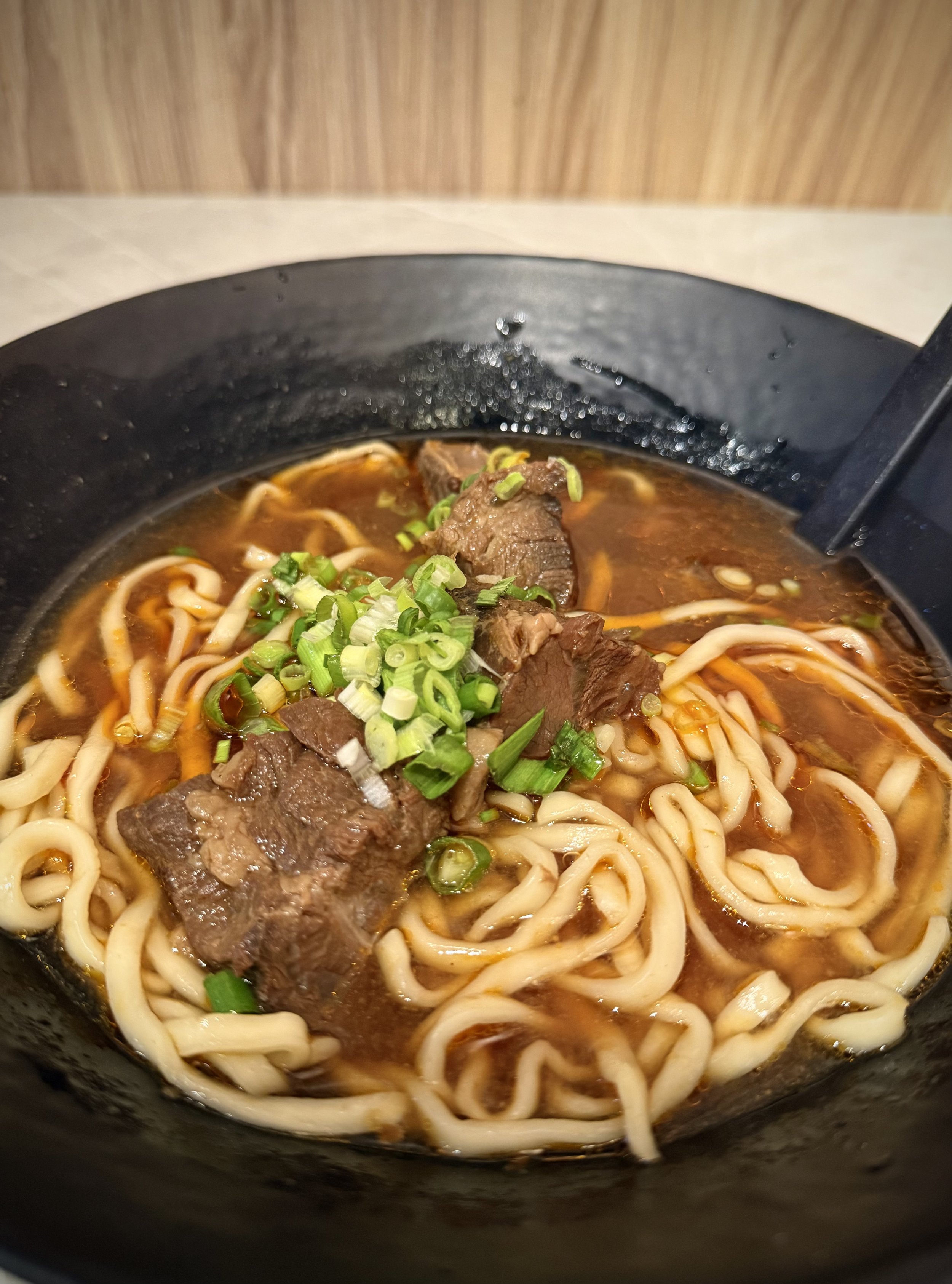
Don't miss: Liu Yu Zi (Stall 91) — the deep-fried taro balls here earned four consecutive years of Michelin Bib Gourmand recognition, and they remain one of the most talked-about snacks in the city. Crispy outside, soft and yielding within, they disappear fast after each batch comes out of the fryer. Yuan Huan Pien — the oyster omelette stall that has held Michelin recognition for multiple years running. Fresh oysters delivered daily from Tainan, a homemade sauce, and sixty years of practice. Also worth seeking out: Rong's Pork Liver Soup, a deceptively simple bowl that has been warming people up for three generations, and Piaoxiang Beef Noodle, one of the most beloved noodle stalls in the market.
Pro tip: Ningxia is conveniently located a short walk from Dihua Street. Visit Dihua in the late afternoon, then walk to Ningxia for dinner — culture first, calories second.
Getting there: MRT Zhongshan Station, Red or Green Line.
Shilin Night Market (士林夜市)
The verdict: Still worth visiting, but temper your expectations. The legend has taken some hits.
Shilin is the night market that everyone has heard of — and for a long time, it deserved its reputation. At its peak it was one of the greatest night markets in Asia: sprawling, spectacular, overwhelming in the best possible way. With over a century of history and hundreds of stalls, it drew visitors from across Taiwan and around the world.
Then Covid hit. Because Shilin had become so popular with foreign tourists, it was disproportionately devastated when international visitors disappeared. Many vendors closed and simply never came back. Entire sections of the market shuttered. The underground food court — one of the market's signature features — closed for renovation in late 2022 and only finally reopened in mid-2025. Anyone who visited Shilin in its heyday and returns today will notice the difference.
That said, Shilin has not disappeared. The core of the market, centered around the Cixian Temple, remains busy and atmospheric. The reopened underground food court, while somewhat more polished and sanitized than its predecessor, is once again operational. And for a first-time visitor with no prior Shilin experience to compare it to, the market still delivers a genuinely impressive spectacle — around a hundred food stalls along the main strip alone, plus shopping, games, and the kind of organized chaos that is uniquely Taiwanese.
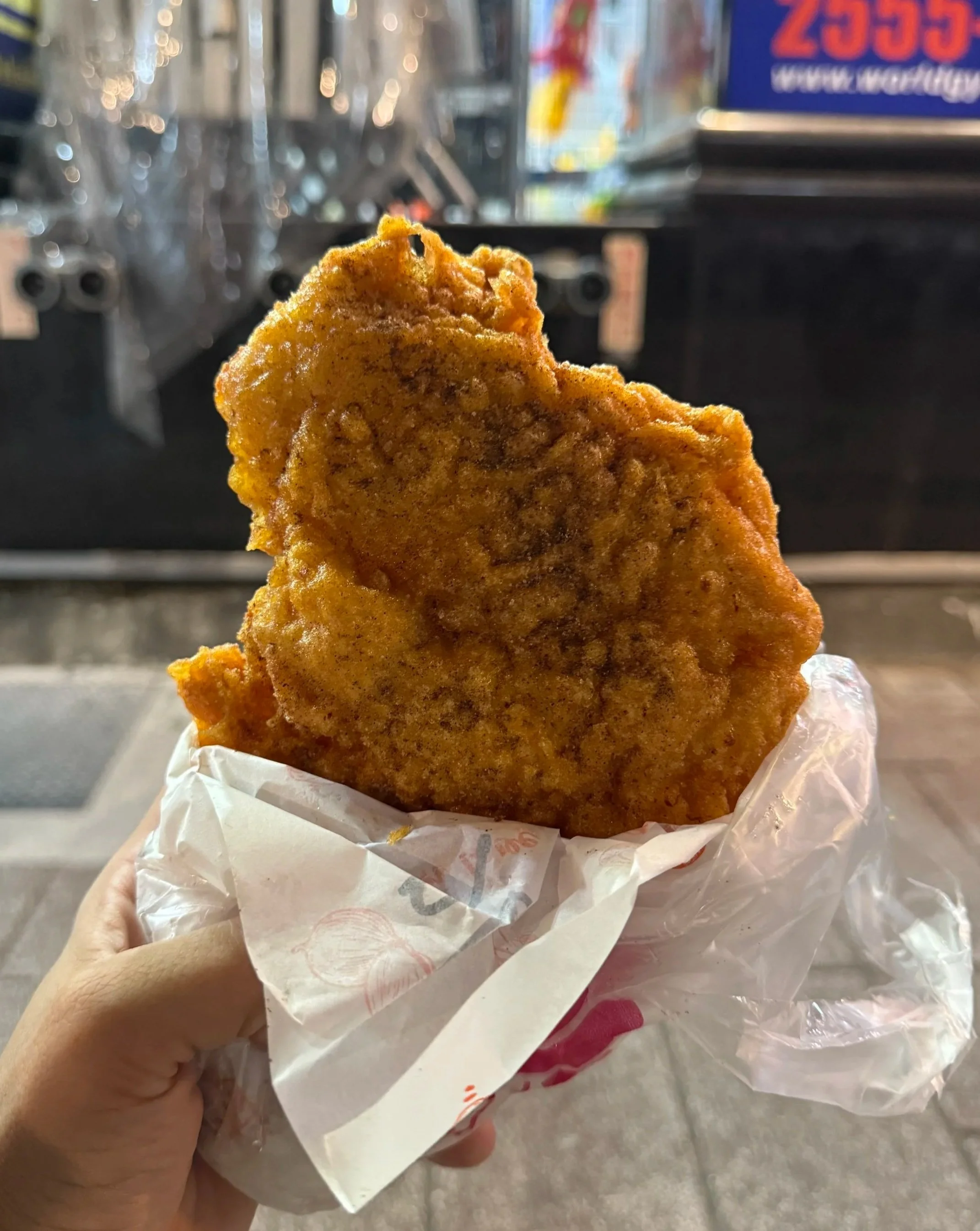
One Michelin Bib Gourmand stall remains at Shilin. The market's signature dishes — large fried chicken cutlets, oyster omelette, flame-grilled cube steak — are still available if you know where to look.
Don't miss: The giant fried chicken cutlet (ji pai) — a paper-thin, massively oversized chicken breast battered and fried until golden. It's the quintessential Shilin experience, and the best versions here are genuinely excellent.
Getting there:MRT Jiantan Station, Red Line, Exit 1.
Gongguan Night Market (公館夜市)
The verdict: The most authentic market on this list. A student canteen and heritage food hub rolled into one.
Gongguan is the market that most tourists never find — and that's precisely what makes it interesting. Located near the campuses of National Taiwan University and National Taiwan Normal University in the south of the city, it functions primarily as a canteen for the student population that surrounds it. The crowd is young, local, and almost entirely Taiwanese. The prices are some of the lowest of any night market in the city. The atmosphere has none of the theatrical tourist-friendliness of Shilin or even Raohe.
What Gongguan lacks in scale it makes up for in authenticity. The market stretches through a network of side streets and alleys between Roosevelt Road and Tingzhou Road, with the most concentrated food action around Lane 108. There is also a covered indoor section — the Shuiyuan Market — which operates alongside the outdoor stalls and houses several well-established vendors.
Two Michelin Bib Gourmand stalls have put Gongguan on the serious food map: Lan Jia Gua Bao, serving the classic Taiwanese braised pork steamed bun (gua bao) that has become famous well beyond the market's local customer base; and Hsiung Chi Scallion Pancake, whose flaky, customizable scallion pancakes draw queues of students and food tourists alike. Both are worth seeking out.
Don't miss: Lan Jia Gua Bao — the braised pork bun here is one of the most celebrated versions of this classic dish in the city, and for good reason. The fat-to-lean ratio of the pork is a point of genuine local debate. Gongguan Vegetarian Sweet Potato Balls — freshly fried, crispy outside and chewy within, selling out almost instantly after each batch. If you see a long queue forming near Lane 316, get in it. Also worth a stop: Long Ge's Boneless Chicken Leg Stall (Stall 62), a local institution serving juicy chicken that draws regulars from across the neighborhood.
Getting there: MRT Gongguan Station, Green Line, Exit 4.
Beyond the Big Four
Taipei has around twenty night markets of varying size, and the four covered in this guide represent only the most well-known. A few others deserve a mention for those who want to go deeper.
Tonghua Street Night Market (通化夜市), also known as Linjiang Street Night Market, consistently ranks among the city's best and carries several Michelin Bib Gourmand recognitions. It's more local in character than Raohe and less famous than Ningxia, which means shorter queues and a more relaxed atmosphere. Worth seeking out if you're spending more than a few days in the city.
Nanjichang Night Market (南機場夜市) is perhaps the most authentically local market in Taipei — the kind of place where almost no foreign visitors go and the food is exceptional precisely because it has to be. Multiple Michelin Bib Gourmand stalls operate here, including what some consider the finest stinky tofu in the city. If you want to see what a Taipei night market looks like when it's performing entirely for a local audience, this is the one.
Huaxi Street Night Market (華西街夜市), located near Longshan Temple in the Wanhua district, is one of the oldest markets in the city and makes a convenient stop if you're already in the area. It's more relaxed and less food-focused than the markets above, but it has its own old-Taipei character worth experiencing.
Practical Notes
Night markets in Taipei typically open around 5pm and run until midnight or later. Cash is king at most stalls, though some vendors now accept mobile payment. Arrive with an empty stomach and no agenda — the best strategy is to wander slowly, follow the queues, and eat more than you think you should. That's the whole point.
